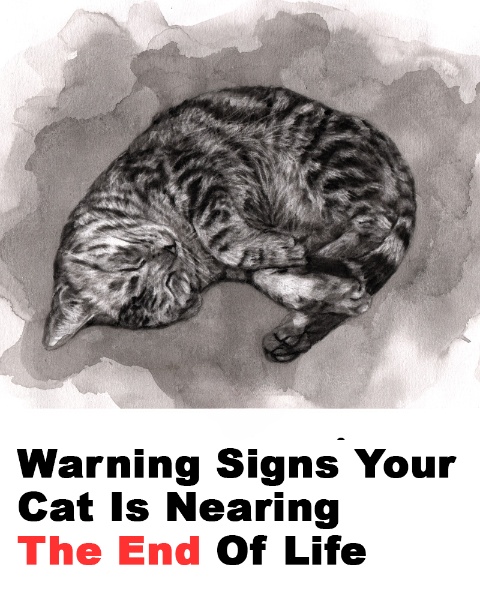
Cats are more than pets — they’re family. So when they grow old or sick, it’s heartbreaking, especially because cats hide their pain well. Knowing the signs that a cat is nearing the end of life can help you give it love, comfort, and peace.
Common signs include:
-
Hiding – Sick or dying cats often retreat to quiet, hidden spots.
-
Loss of appetite and thirst – They may stop eating or drinking.
-
More sleep – They become weaker and rest much more.
-
Changes in breathing – Breathing may become shallow or irregular.
-
Less interest in surroundings – They seem distant and unresponsive.
-
Poor coat condition – Fur may turn dull or messy due to lack of grooming.
-
Movement problems – Difficulty walking, jumping, or keeping balance.
-
Behavior changes – Some withdraw, while others seek extra comfort.
-
Nausea or vomiting – Digestive issues become more common.
-
Diarrhea or constipation – The digestive system begins to fail.
-
Temperature changes – They may feel unusually cold or feverish.
What you can do:
Provide a quiet, comfortable resting space, stay close, and focus on love and comfort. If you’re unsure whether your cat is in pain, consult a vet for guidance. Understanding these signs helps you give your cat a peaceful and gentle farewell.