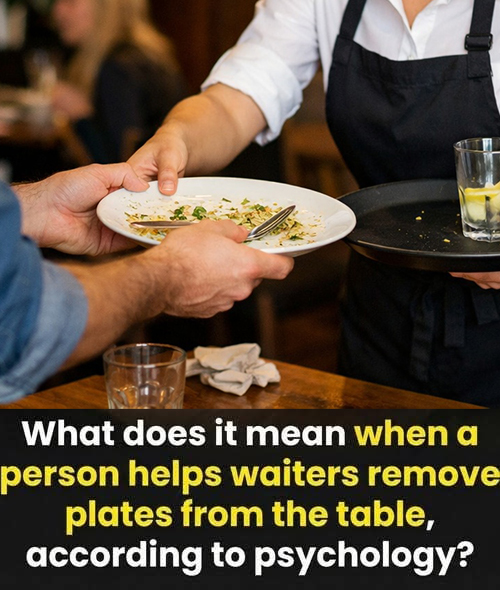
If you’ve ever quietly cleared plates or stacked glasses at a restaurant before the server arrives, you’ve done more than show good manners—psychologists say it reflects empathy and prosocial behavior.
These small, unasked-for gestures lighten the load of busy servers, often stemming from past experience, natural awareness, or sensitivity to others’ struggles. “It shows the person truly worries about improving the day of the person they’re helping,” says Dr. Martin L. Hoffman, a psychologist specializing in empathy.
Whether former restaurant workers or naturally attentive individuals, people who perform these acts respond to nonverbal cues and offer help without seeking recognition. Such low-cost, high-impact actions enhance social harmony and can improve the mental well-being of both giver and receiver.
While some cultures may view it as interfering, these gestures are ultimately acts of compassion, reminding workers that kindness persists even in the busiest, most stressful environments.