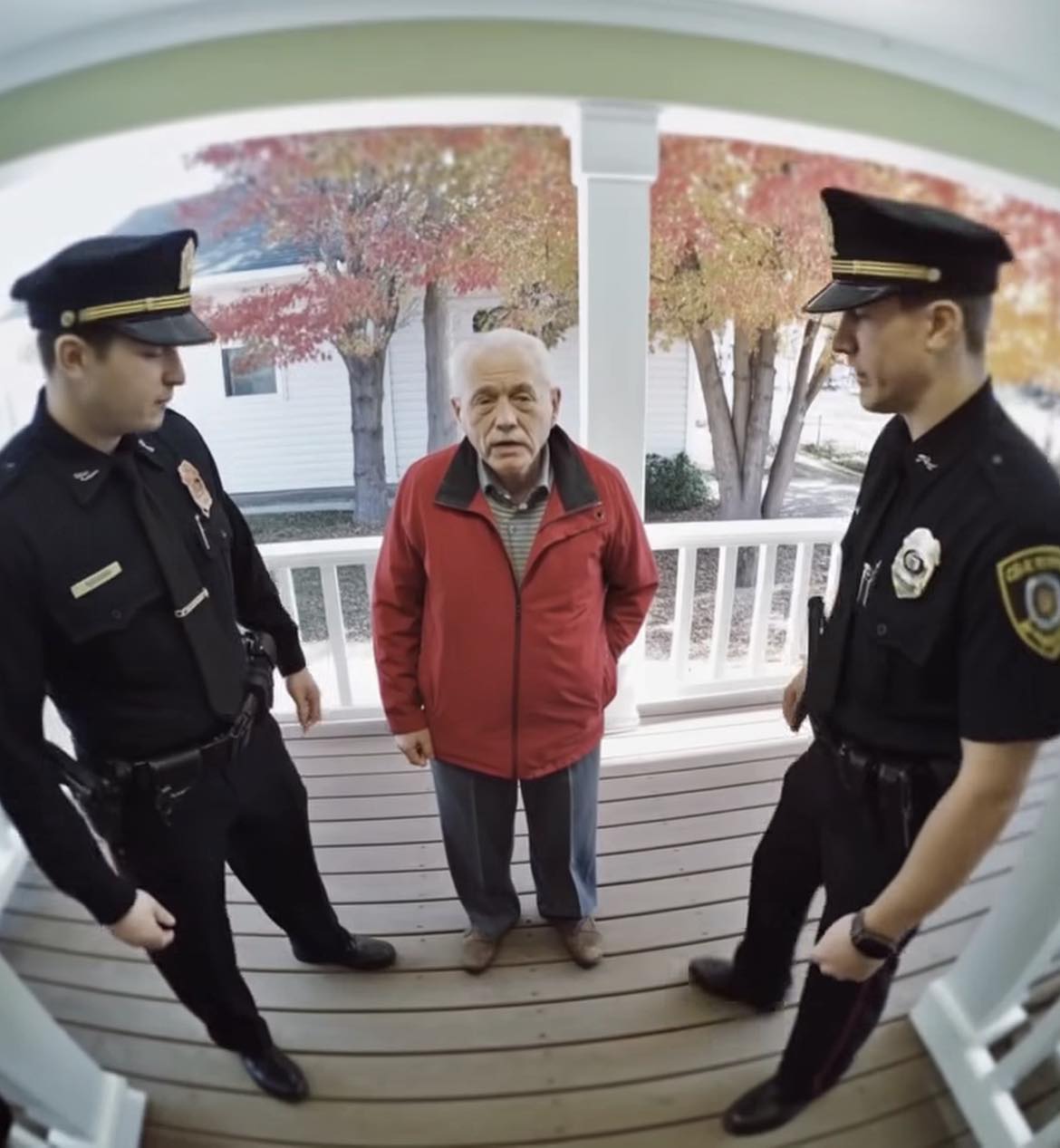
At 78, two years after losing his wife Margaret, a lonely widower decides to host a family dinner to bring his children and grandchildren together. He spends the day cooking her favorite recipes, hoping to recreate the warmth she once created so effortlessly.
One by one, his family cancels—work, exhaustion, forgotten plans—leaving him alone with a table set for eight and untouched food. That evening, he is suddenly arrested for a decades-old crime, only to learn it’s a case of mistaken identity.
Word spreads quickly, and something unexpected happens: neighbors, friends, and members of his community rush to the police station to defend him. They vouch for his character, and he is released.
When he returns home, those same neighbors fill his house, reheat the meal, and sit down to dinner with him. The warmth he longed for arrives—not from blood relatives, but from people who chose to show up.
Later that night, his daughter comes by to apologize, admitting the family has struggled since Margaret’s death. Together, they begin to heal.
The night teaches him a lasting truth: family isn’t defined by DNA, but by who shows up when it matters most.