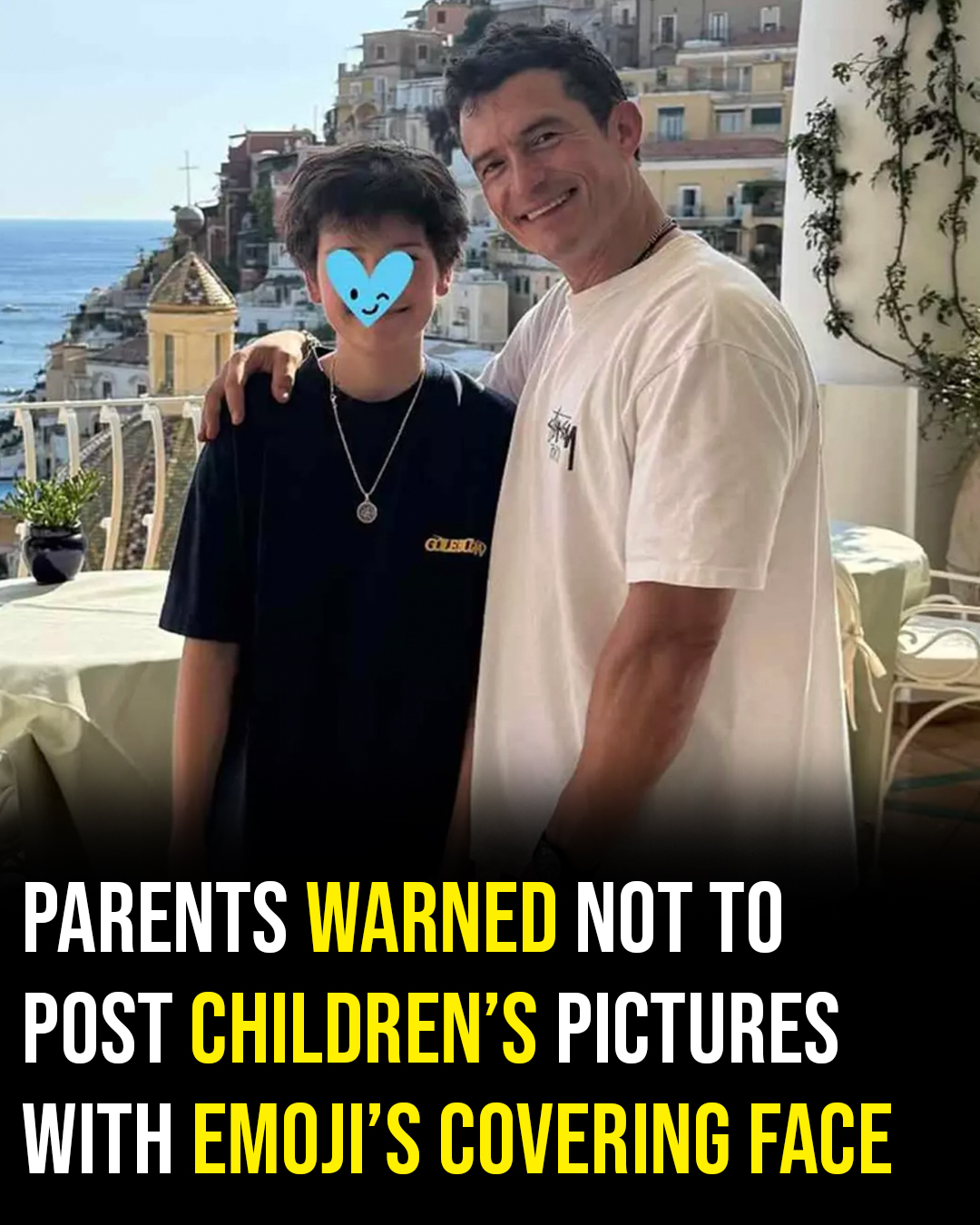
Parents increasingly cover their children’s faces with emojis when sharing photos online, hoping to protect their privacy. This trend, popular among celebrities and everyday families alike, appears to balance sharing moments while keeping kids safe. Even figures like Meghan Markle and Mark Zuckerberg use emoji-masking to shield their children from online exposure.
However, cybersecurity experts warn that emojis offer little real protection. According to specialist Lisa Ventura, covering a face is “security theatre,” not true privacy. While the child’s face is hidden, other identifying details—such as location data, school uniforms, age, and body type—remain visible and can still be analyzed by AI.
Ventura explains that repeated posts create a growing digital profile, training facial-recognition systems and advertising algorithms over time. Emoji-masking can also encourage parents to share more, increasing privacy risks rather than reducing them.
Though it feels like a protective compromise, Ventura compares emoji-masking to a Band-Aid solution. Her advice is simple: if you wouldn’t give a photo to a stranger on the street, don’t post it online—because once shared, it can be saved, reused, or misused indefinitely.