I grew up as the unfavored child. My younger brother Dan was the golden one—protected, excused, and prioritized—while I was blamed, punished, or ignored. When I left home at eighteen, my parents barely noticed.
During the pandemic, I lost my job and ended up living in a camper for nearly two years. My parents refused to let me park it on their property unless I paid full rent, while Dan lived with them for free. That was when I fully understood: to them, I wasn’t family.
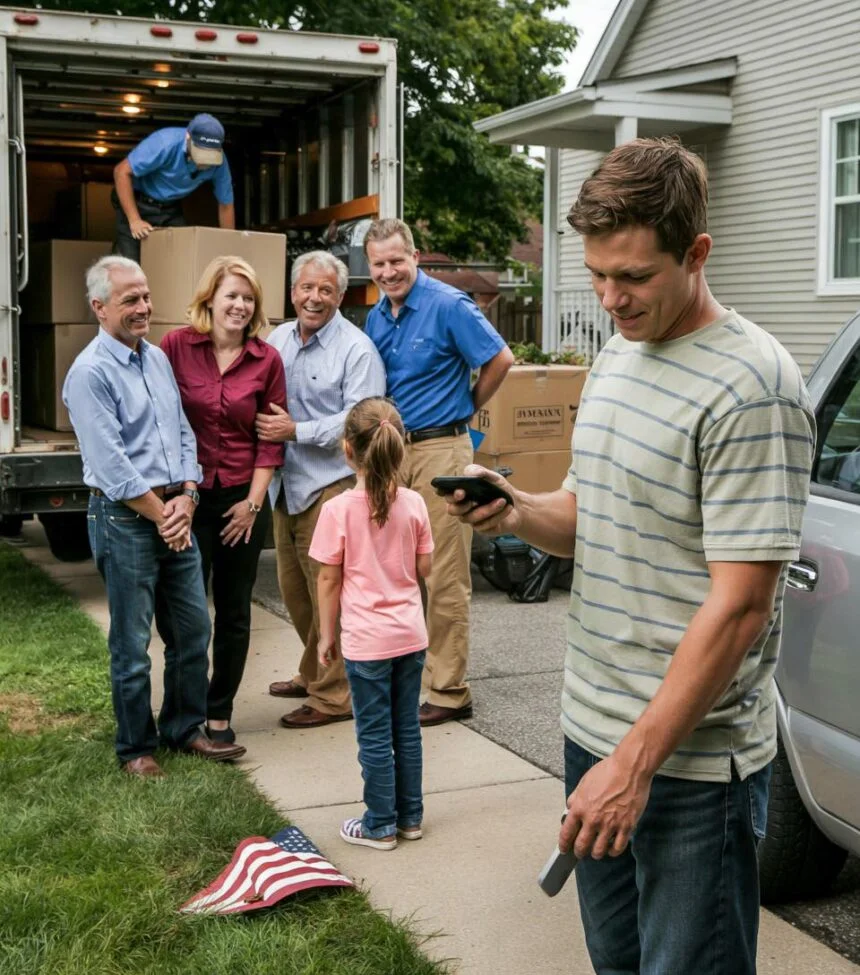
I rebuilt my life slowly—found work, lived behind a warehouse, saved money, and eventually bought my own house. When my family found out, they showed up uninvited and demanded I give the house to Dan and his growing family, suggesting I live in my camper behind it instead.
When I refused, they escalated—harassment, threats, even breaking into my home and changing the locks. I called the police, exposed their lies, and stood my ground. With witnesses and evidence, they were forced to leave.
The fallout was public. Extended family finally saw the truth and supported me. My parents and brother lost control, influence, and credibility. I kept my home.
Now, my house is peaceful. I host friends, spend time with relatives who truly care, and keep the camper as a reminder of what I survived. I learned that family isn’t about blood—it’s about respect. Walking away from people who treated me as disposable didn’t make me selfish.
It made me free.