At 11:47 a.m. on a Tuesday, I received a group chat notification titled Family Celebration Trip. The photo showed my husband, Ethan, on a Florida beach with his family—kissing his pregnant girlfriend Hailey’s stomach. I wasn’t invited.
Two weeks earlier, Ethan had asked for “space” and moved into the guest room. His mother even messaged me: You’ll understand. Hailey is giving us the grandchild we’ve been waiting for. Don’t do anything impulsive.
I sat in my grandmother’s old office, surrounded by deeds and trust documents—all in my name. The Bennett estate had been left solely to me: brownstones, commercial buildings, a lake cabin, farmland. My grandmother had built it over forty years and protected it carefully. Ethan’s name appeared only once in the paperwork—restricting his control.
After we married, I tried to make everything “ours.” I gave Ethan a VP position in my company, added his family to the payroll and health insurance, let his parents live rent-free in one of my properties. Slowly, my inheritance became something they spoke of as if it belonged to them.
When I confronted Ethan months earlier about an affair, he denied it. Now there was a beach photo and a baby on the way.
So I called my attorney.
Within days, I revoked everything. Ethan was terminated from the company. Access to accounts—removed. Health insurance—canceled. His parents were given thirty days’ notice to leave the brownstone. The lake cabin and another property were listed for sale.
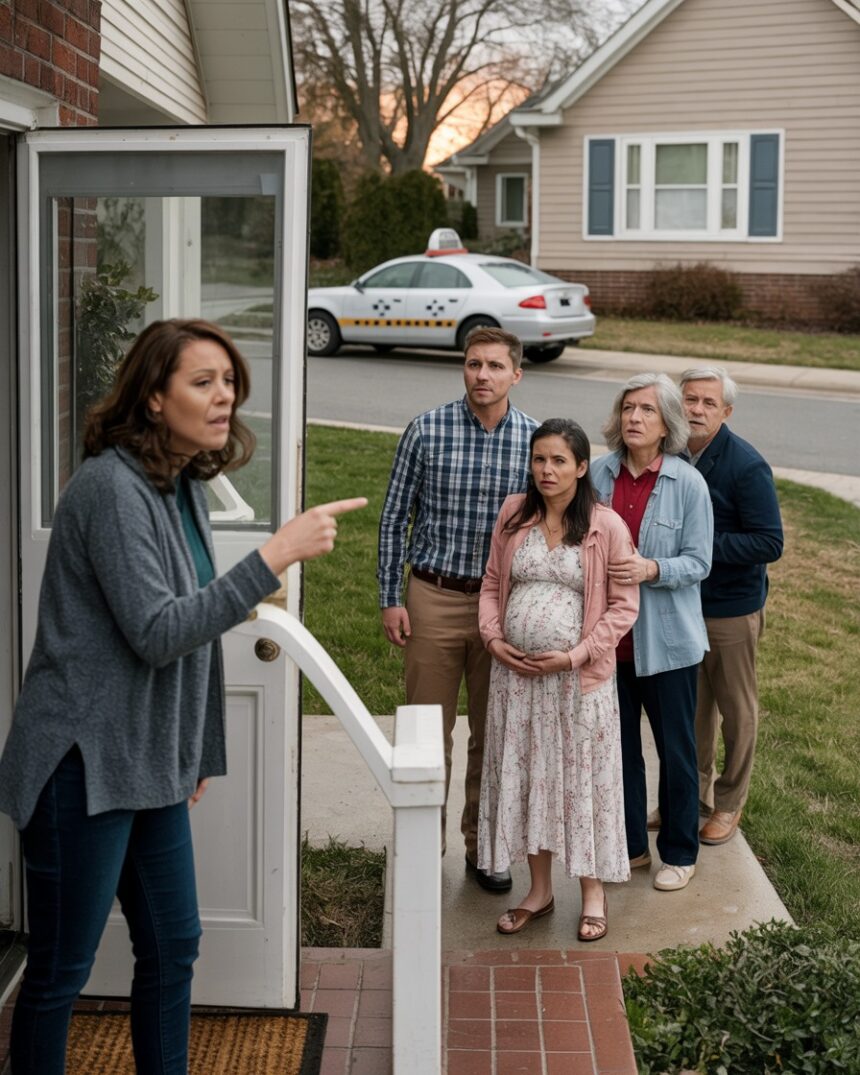
They came home furious after their cards were declined on vacation. Linda demanded answers. I told them calmly: “I didn’t erase you. I erased your access to my inheritance.”
I paid for a month at an extended-stay hotel. Then I held the door while they left.
The divorce was straightforward. The estate had always been legally mine. There was nothing to contest.
In the months that followed, I began therapy and faced the truth: my “generosity” had often been fear of setting boundaries. I had confused sharing with surrender. I had funded a life where I was slowly being replaced.
The properties sold. I placed part of the proceeds into conserving my grandmother’s farmland—something she would have approved of. I hired a capable new VP. The company improved. I slept better than I had in years.
One afternoon, I found an old photograph of my grandmother standing proudly in front of one of her buildings the year she bought it. She understood something I had forgotten: owning something doesn’t mean you owe it away.
What I did wasn’t impulsive. It was deliberate. The deeds had always carried my name.
I was finally ready to live like they did.