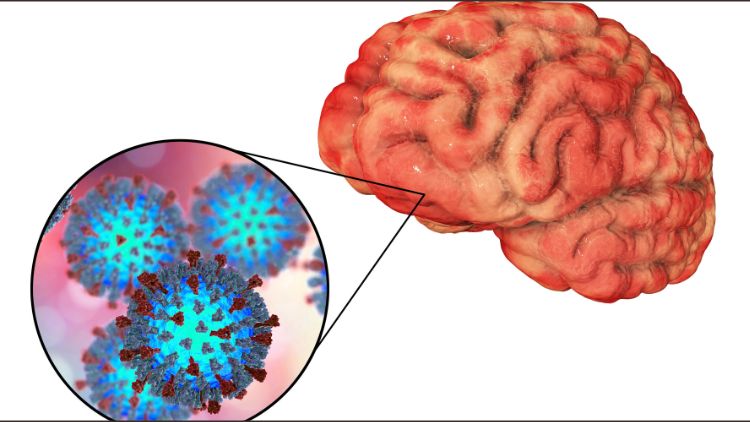
Many assume childhood diseases cause no long-term harm, but that’s not always true. A baby boy contracted measles at 7 months. Years later, at age 6, he developed seizures and cognitive decline. He was diagnosed with subacute sclerosing panencephalitis (SSPE) and died at 7.
SSPE is a rare, progressive, and fatal brain disorder caused by measles infection, sometimes appearing years after the initial illness. Early symptoms include personality changes, mood swings, and headaches. Later stages can involve muscle spasms, dementia, seizures, vision loss, and eventually, failure of vital brain functions leading to coma and death.
Dr. Sharon Nachman explains, “Measles can quietly alter the brain at a cellular level, sometimes decades later.” While most people never develop SSPE, 4–11 per 100,000 measles cases do. There’s no cure, but medications may slow its progression, and life expectancy after diagnosis is 1–3 years.
The best prevention is the MMR vaccine, which protects against measles and drastically reduces the risk of SSPE.