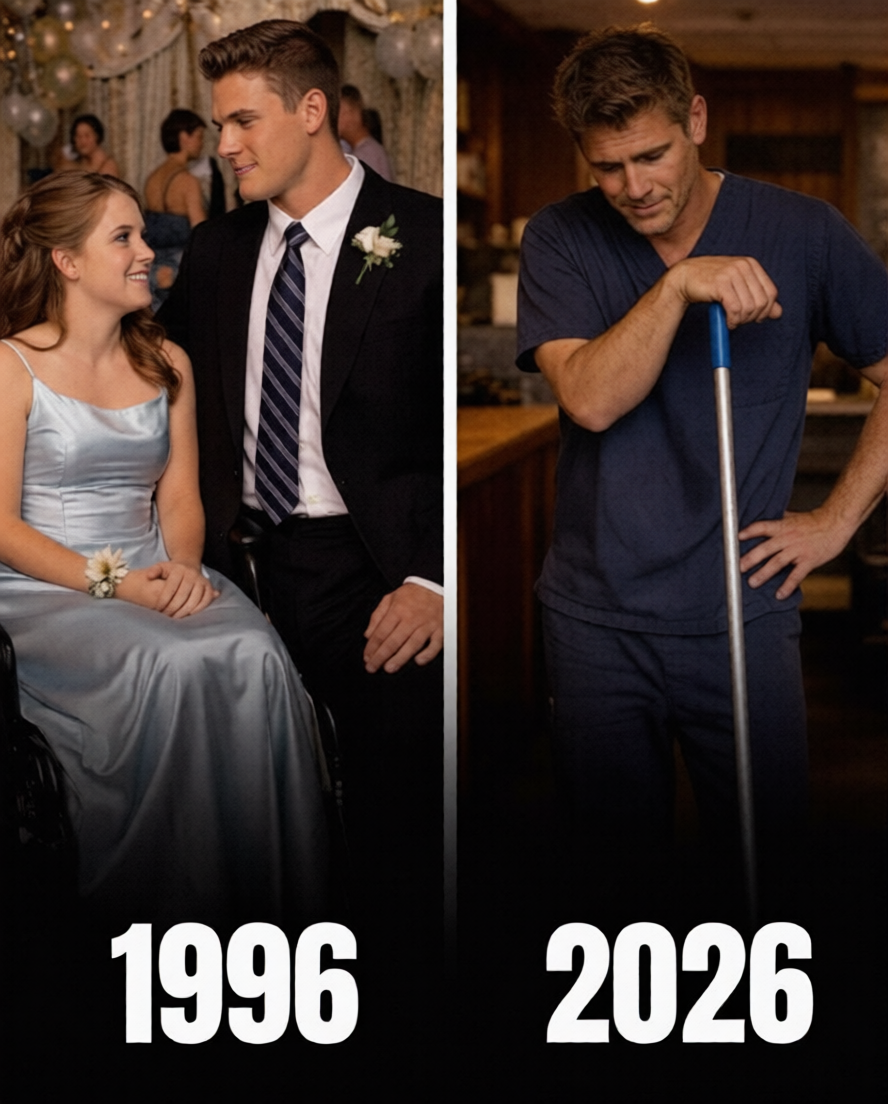
Six months after a car crash left me in a wheelchair at 17, I skipped prom, convinced I’d be pitied and forgotten. My life had shifted from normal teenage worries to surgeries, rehab, and learning to live in a body that didn’t work the same. My mom insisted I still go to prom anyway.
I spent the night sitting by the wall while people offered polite words and then returned to the dance floor. I thought I’d just blend into the background.
Then Marcus came over.
He treated me like a person, not a problem, and asked me to dance. When I said I couldn’t, he improvised—moving my wheelchair with me in it, joking, spinning me gently across the floor. For the first time since my accident, I didn’t feel invisible.
After graduation, I moved away for rehab, and we lost contact. Life went on: years of surgeries, learning to walk again, studying design, and eventually building a successful architecture firm focused on accessibility and inclusion.
Thirty years later, I met him again by chance at a café. He was older, worn down by life, working multiple jobs and caring for his sick mother. He didn’t recognize me at first.
When I finally reminded him of prom, he realized who I was. We talked, and I learned how hard his life had become after school. I offered him help through my work, and slowly he became part of my accessibility projects.
He went from reluctant café worker to valued consultant, helping design spaces that actually include disabled people instead of just technically accommodating them. He also finally got medical treatment for his injury.
Over time, what started as professional collaboration became something deeper. He had once been the person who saw me at my lowest and made me feel seen. Decades later, I became the person who helped him rebuild his life.
At the opening of our community center years later, he asked me to dance again.
And this time, I said yes.