Many people assume childhood diseases end once they pass, but that is not always true.
A baby boy contracted measles at 7 months old. Years later, at age 6, he developed seizures and cognitive decline. He was diagnosed with subacute sclerosing panencephalitis (SSPE) and died at age 7.
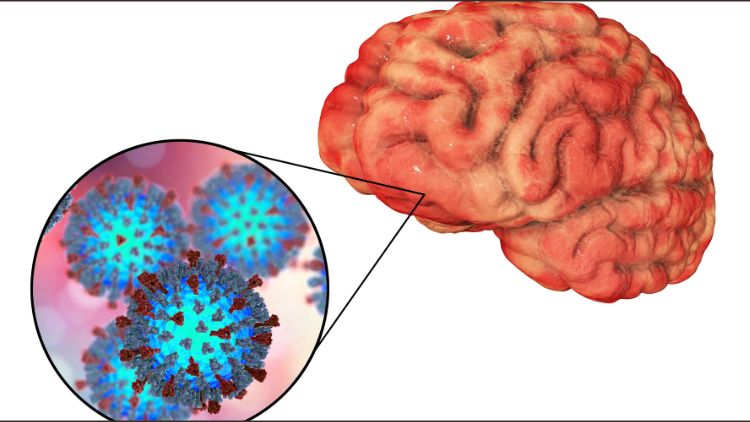
SSPE is a rare, progressive brain disorder linked to measles that can appear years after infection. It often starts with mood changes, depression, and headaches, then progresses to seizures, dementia, loss of vision, severe movement disorders, and eventually coma and death.
Experts explain that the measles virus can remain dormant in the brain for years before causing damage. Dr. Sharon Nachman noted that symptoms can appear long after infection, even in adolescence or adulthood.
Although most people who have had measles do not develop SSPE, it affects about 4–11 per 100,000 cases. There is no cure, and life expectancy after diagnosis is usually 1–3 years, though some treatments may slow progression.
The only reliable prevention is the routine MMR vaccine, which protects against measles and therefore eliminates the risk of SSPE.