A manager receives a call from regional leadership questioning why Elena—an employee previously fired—has been reinstated. He admits he reversed her termination after learning she had been secretly saving money to buy shoes for a coworker’s child. The situation quickly escalates into an investigation over “favoritism” and broken procedure.
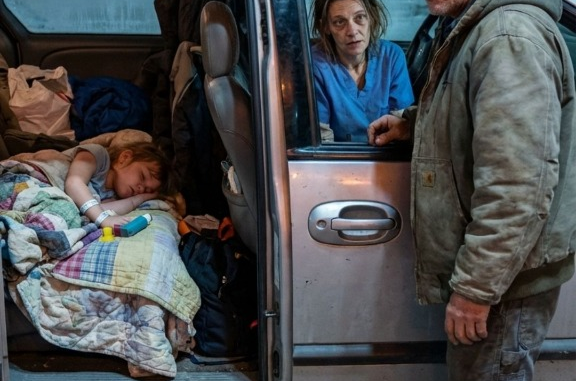
Elena is a struggling worker caring for her sick daughter, while the manager reflects on how strict policies ignore real-life hardship. Other employees reveal similar hidden struggles—missed work for children, medical needs, and financial survival—none of which fit company rules.
When a storm hits and a critical shipment is at risk, leadership demands strict compliance. Instead, the manager turns the warehouse into a temporary support space, allowing workers to bring children, share resources, and help each other through the crisis.
Despite warnings from regional leadership, the team successfully completes the shipment while operating with flexibility and mutual support. The manager is later called in for review and faces possible removal for violating policy.
In the final meeting, employees defend the approach, showing improved performance, lower turnover, and real-life benefits. A compromise is reached: a pilot hardship system is approved, balancing rules with human needs.
The story ends with a changed workplace culture—still structured, but now recognizing that fairness also means understanding people’s real lives.