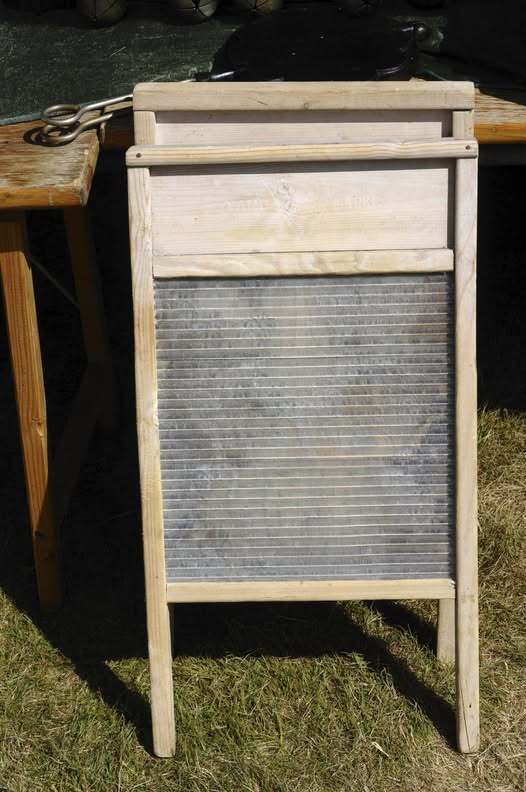
At a crowded yard sale, I discovered an old wooden laundry wringer hidden among antique items. At first, it looked like a strange machine, but a small tag revealed it was a vintage laundry tool once used before electric washers existed.
Curious, I imagined how difficult laundry used to be. Families had to fetch water, heat it, scrub clothes by hand, rinse them, wring them out, and hang them to dry. Tools like washboards, agitators, and wringers made the exhausting work slightly easier and became essential parts of daily life.
Made from strong wood and metal, these tools reflected the creativity and resilience of earlier generations. Laundry day was often more than a chore — it brought people together to work, talk, and support one another.
As modern washing machines replaced them, these handmade tools faded into history. Yet today, they remain meaningful because they tell stories of hard work, family, and survival. Every scratch and dent carries memories of the people who once depended on them.
I bought the wringer not as a useful appliance, but as a reminder of the past. Sitting on my shelf now, it represents perseverance, craftsmanship, and the quiet strength of generations who lived long before convenience became normal.