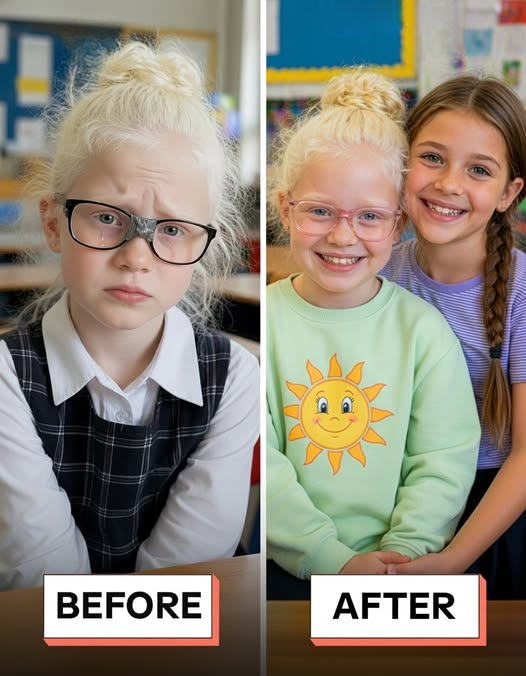
The truth doesn’t start with broken glasses. It starts with the daily reality of being a single parent—counting groceries in the aisle, choosing “not today” more often than “yes,” and living with constant trade-offs.
So when Mia asked if you could help her friend, you didn’t give a comforting answer—you gave an honest one. And she understood it not as a limit on kindness, but as reality.
What she did next—selling her Lego collection for $112—wasn’t rebellion. It was clarity. She saw someone hurting and used what she had to help, without hesitation or calculation.
Those Lego pieces weren’t just toys. They were memories, milestones, and time. And she gave them up because, to her, fixing someone else’s pain mattered more.
Then came the school call, the fear, the misunderstanding, and the tense confrontation with Chloe’s parents. What looked like interference was actually compassion that no one had expected.
In the end, what stunned everyone wasn’t the situation itself—it was Mia’s simple way of thinking: someone needs help, so I help.
And while you’ve spent years thinking in terms of limits and survival, she’s shown something different: that empathy doesn’t wait for perfect conditions.
That empty Lego space in her room isn’t just loss. It’s proof of the values she learned at home—where even when things are hard, kindness still finds a way to act.