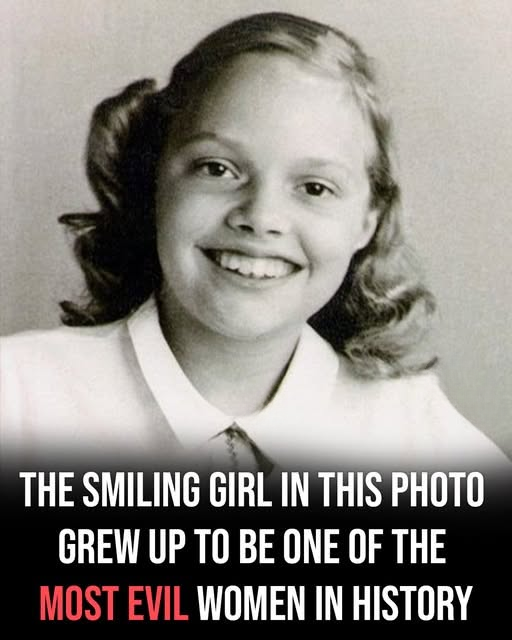
At first glance, she looked like any other little girl — bright eyes, blonde hair, a shy smile. But behind that innocence was a childhood marked by abandonment, abuse, and instability.
Born in 1956 in Michigan, her early life quickly fell apart. At just four years old, her mother disappeared, leaving her and her brother behind. Around the same time, her father—already in prison for violent crimes—died by suicide. She and her brother were raised by grandparents, but the home was reportedly troubled, marked by alcoholism and violence.
By her early teens, her life had already spiraled further. She became pregnant at 13 after being assaulted and gave the baby up for adoption. After the death of her grandmother and her grandfather’s suicide, she and her brother became wards of the state.
Homeless in her teens, she dropped out of school and survived on the streets, drifting into theft, drugs, and prostitution. Over the years, she accumulated multiple arrests and struggled to stay out of trouble.
By her mid-20s, she ended up in Florida, where a series of murders between 1989 and 1990 led police to her. She was arrested and later confessed to killing multiple men, though she claimed self-defense, saying she had been attacked and acted to survive.
Prosecutors argued she was a serial killer who targeted men and stole from them. She was eventually convicted of seven murders and sentenced to death. The media labeled her one of America’s first female serial killers.
Her trial became widely publicized, and she made conflicting statements—at times claiming self-defense, and later admitting guilt and expressing hatred and intent to kill again.
In 2002, she was executed by lethal injection at the age of 46. Her final statement was erratic and symbolic, referencing returning in a spiritual or apocalyptic way.
Her case remains one of the most infamous in U.S. criminal history, often debated for the trauma-filled life that preceded her crimes and the brutality of what followed.