Acne can sometimes be linked to simple lifestyle habits, irritation, hormones, or clogged pores. Identifying the trigger can help prevent future breakouts. This information is for educational purposes only—consult a doctor before starting any treatment.
1. Around the mouth
Frequent touching, phones, helmet straps, makeup, facial products, hormones, and genetics can cause breakouts. Use a gentle cleanser twice daily, choose oil-free, non-comedogenic products, and avoid touching your face.
2. On the nose
Larger, oilier pores make the nose prone to acne. Diet, stress, medications, and poor hygiene may contribute. Gentle acne products can help, but severe cases should be checked by a dermatologist.
3. On the forehead
Extra oil from your skin or hair can clog pores. Oily hair products, gels, waxes, and pomades may worsen it. Wash your hair regularly and avoid greasy products.
4. Jaw and neck
Acne here is often associated with hormonal changes, including menstrual cycles or certain medications. A non-comedogenic cleanser, moisturizer, acne treatment, and sunscreen may help.
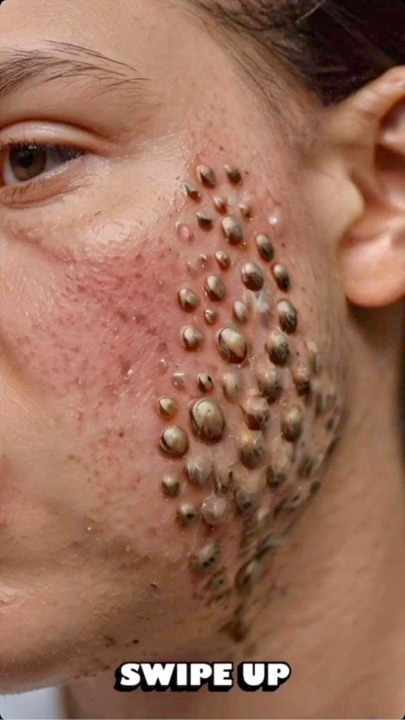
5. On the cheeks
Phones, dirty pillowcases, and frequent touching can transfer bacteria to your skin. Clean your phone regularly, change pillowcases often, and wash your hands.
6. On the back
Sweat, body products, sunscreen, tight clothing, and dirty fabrics can clog pores. Shower after exercising, wash your back properly, and wear clean, breathable clothes.
7. On the legs
Rubbing from tight clothing or athletic equipment can irritate hair follicles and cause bumps. If the area is painful or itchy, it may be another skin condition, so consult a doctor.
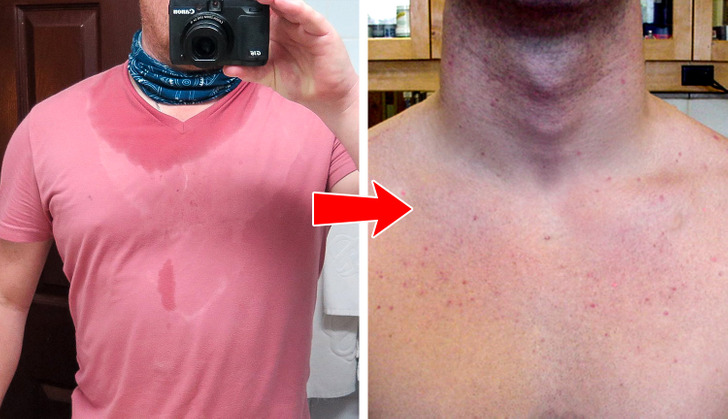
8. On the chest
Sweat, tight clothing, harsh detergents, and pore-clogging lotions can cause chest acne. Choose gentle, fragrance-free, oil-free, non-comedogenic products and wear breathable clothing.
Small lifestyle changes may help prevent many breakouts. If acne is persistent or severe, seek professional medical advice.