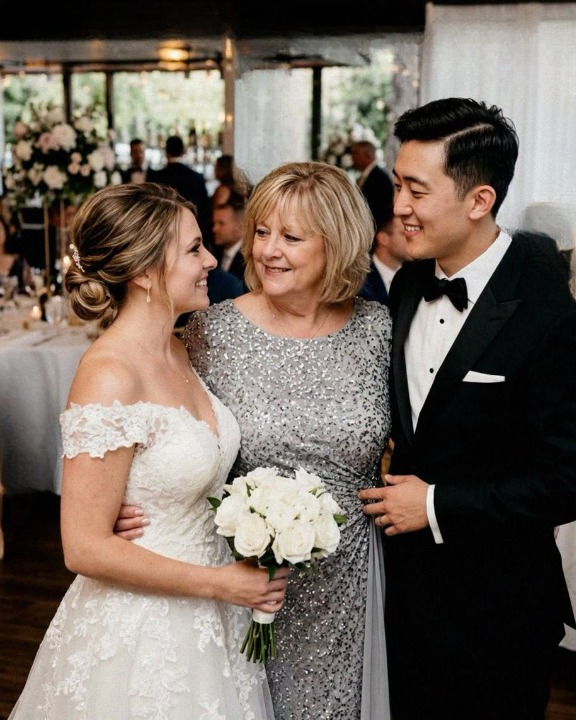
I went to South Korea to visit my daughter, Emily, after she married a Korean man named Joon.
I thought I was simply visiting the life she’d built.
Then, during a family dinner, I accidentally overheard Joon speaking Korean with his father.
Neither of them knew I understood the language.
His father said, “How much longer are you going to hide this from Emily?”
Joon replied, “I love her. But I still want out.”
I froze.
It turned out Joon had secretly been interviewing for jobs in the United States. He had already been discussing relocation without telling Emily.
When I confronted him, he admitted something even harder: when he first met Emily, part of what attracted him was that she represented a life outside the future his controlling father had planned for him.
But somewhere along the way, he genuinely fell in love with her.
The problem was that he was making the same mistake his father had made—deciding Emily’s future without asking her.
When Emily discovered the truth, she was hurt.
And then I realized something about myself.
For years, I’d secretly hoped Emily would return to America because I missed her. I’d convinced myself that wanting her closer was the same as wanting her happy.
It wasn’t.
I apologized.
“I’ve spent years saying I wanted you happy,” I told her. “But too often, I meant happy somewhere I could reach you.”
Emily eventually decided to stay in Korea and continue her career.
Joon turned down a job offer because he realized he couldn’t ask her to make a life-changing decision on someone else’s deadline.
At the airport, Emily hugged me and said:
“I love you from here.”
For years, I’d heard distance as rejection.
Now I understood.
My daughter hadn’t left me behind. She had simply built a life big enough to become her own.