For years, my parents treated my brother Caleb like their golden child and me like the family’s unpaid assistant. He got the opportunities, the praise, and the future. I got the chores, the bills, and the blame.
Whenever something went wrong, somehow it was always my fault.
At seventeen, I discovered my parents had opened a credit card in my name without my permission. They claimed it was to help build my credit, but the money was being used for Caleb and the family business.
I was scared, so I signed the paperwork they put in front of me.
Two years later, I discovered nearly $15,000 in debt under my name. When I confronted them, my brother dismissed my concerns, and his girlfriend Madison called me useless.
I finally stood up for myself and threatened to contact the bank.
That was when Caleb punched me.
My mother rushed to comfort him instead of helping me. My father told me to leave if I wasn’t going to support the family. As I packed my belongings, my mother warned me never to come crawling back.
So I walked out with a duffel bag, a bruised face, and an acceptance letter from a college I had never been allowed to attend.
I was nineteen.
The next several years were brutal. I worked multiple jobs, attended night classes, and struggled with debts I had never agreed to take on. But I refused to let my family’s actions determine my future.
I eventually found work helping small businesses organize their finances and operations. One struggling motel became my first major success. I helped transform it into a profitable destination, and that experience showed me what I was capable of.
I began investing in neglected properties, improving them, and building businesses of my own.
By twenty-seven, I owned a beautiful oceanfront home. The kind of house my mother had once dreamed about.
Only this time, it belonged to me.
I changed my number, blocked my family, and built a life without them.
Nine years passed.
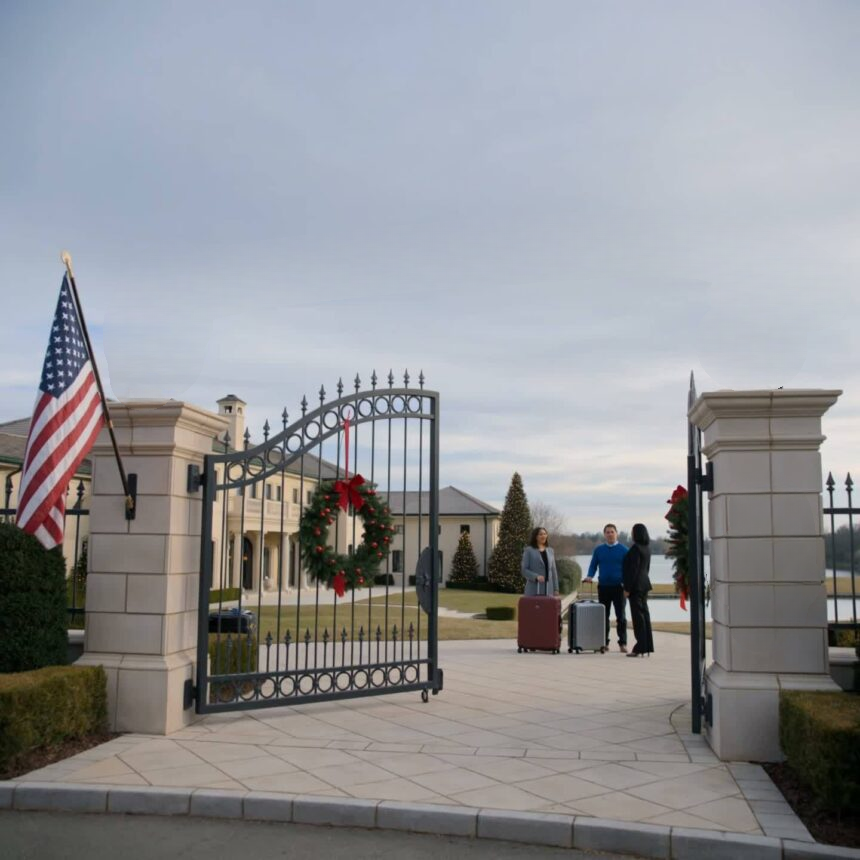
Then, one Monday morning, my security company called. Three people were standing outside my front gate, claiming to be immediate family and demanding entry.
It was my parents and Caleb.
They had lost their house, the family business had collapsed, and my brother was drowning in debt.
“We need somewhere to stay,” my father said through the intercom.
For a moment, I almost laughed.
They had spent years choosing Caleb over me. Now they expected me to rescue them.
“I have space,” I replied. “But not for you.”
My mother dropped to her knees, begging for another chance. I reminded her that I had once begged for just one chance myself.
But they refused to leave.
Instead, they returned for three days, demanding help and making threats. On the third day, I gave them one final opportunity: sign legal documents transferring control of their remaining assets away from Caleb.
They refused.
While I was attending a charity gala, my security system alerted me to a gate breach. Caleb and my parents had forced their way inside, carrying bags as though they owned the place.
I didn’t rush home.
I let them unpack.
The next morning, I arrived with the police.
Caleb was wearing one of my robes when he saw me walk through the door.
“This isn’t your home,” I told him. “It never was.”
The officers escorted them out with their belongings. My parents begged, Caleb shouted, but this time nobody could force me to surrender what I had built.
Their financial problems continued, and eventually Caleb returned asking for a loan. My parents apologized, but their words came too late.
I refused to let guilt pull me back into the life I had escaped.
Instead, I created the Ember Fund, a foundation helping young adults who have been abandoned by their families. It provides emergency housing assistance, financial education, and access to therapy.
Almost a year later, I saw my parents again at a community college where I was speaking to students.
They wanted to talk.
My mother said she didn’t want to die knowing her daughter hated her.
I looked at them and realized I no longer hated them. But I didn’t trust them, either.
“I don’t hate you,” I said quietly. “But I don’t belong to you anymore.”
Then I walked back into the auditorium.
They had called me worthless, treated me like I would never become anything, and tried to use my name to keep their family business alive.
But the girl they once threw away had built a life they could never take from her.
Sometimes the strongest revenge isn’t making people regret what they did. It’s building a life where they no longer have power over you.