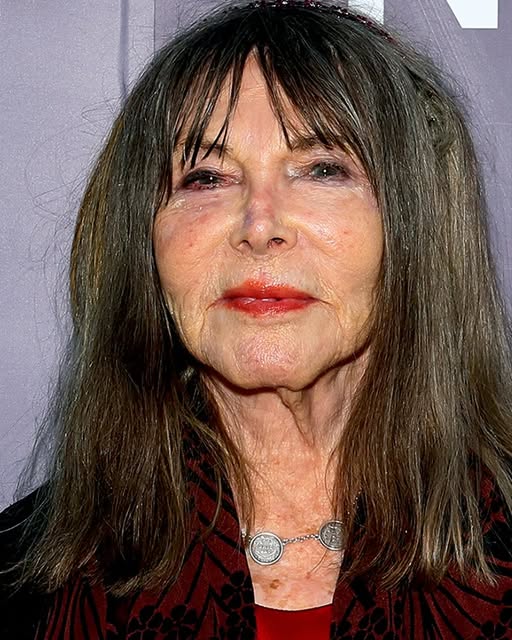
Hollywood in the 1950s was glamorous but ruthless, with studios controlling actors’ careers. Among the stars, Lee Grant stood out for her beauty and talent but faced a tragic downfall.
In the early ’50s, Grant was hailed as one of Hollywood’s most beautiful women. She gained acclaim with her debut in Detective Story (1951), earning an Oscar nomination and a Cannes Best Actress award. Audiences and critics loved her—until she was suddenly blacklisted by a major studio.
Rumors suggested conflicts with executives or fallout from her outspoken support for blacklisted colleagues, notably her 1951 eulogy for actor J. Edward Bromberg, linked to HUAC pressures. For over a decade, Grant struggled to find work, sidelined by Hollywood’s harsh politics despite later successes in films like Valley of the Dolls and Mulholland Drive.
Her career’s abrupt halt highlights the brutal power dynamics of the studio era. Though overshadowed then, Grant’s talent and legacy endure as a reminder of fame’s fragility and the cost of defying Hollywood’s system.