From Camilla’s Grit to William’s Quiet Power: Key Revelations from a New Royal Tell-All
In Power and the Palace, veteran royal reporter Valentine Low offers a revealing look at the hidden ties between Britain’s monarchy and political leadership.
Camilla’s Early Trauma
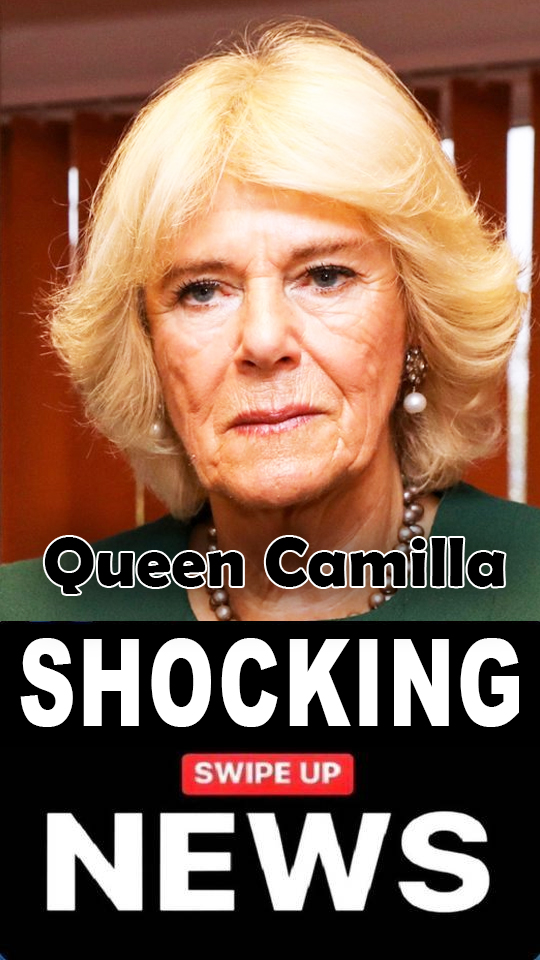
One standout story involves Queen Camilla, who as a teenager fought off a groper on a train by striking him with her shoe heel. She reported the man to authorities at Paddington Station, leading to his arrest. This traumatic experience is said to have shaped her lifelong advocacy for sexual assault survivors. Camilla has supported numerous rape crisis centers and even personally wrote to victims, including French survivor Gisèle Pelicot.
William’s Role in the Scottish Referendum
Low claims Prince William played a discreet but pivotal role during the 2014 Scottish independence referendum, encouraging Queen Elizabeth II to issue a rare public comment seen as urging Scots to vote “No.” This suggests the royals may not always remain politically neutral.
Elizabeth II on Brexit and PMs
Though publicly silent during Brexit, the Queen reportedly believed in “sticking with the devil you know” when it came to the EU, while also criticizing Brussels bureaucracy. Privately, she held clear views on her prime ministers. Winston Churchill remained her favorite, while Harold Wilson and John Major were surprising standouts for their rapport with her.
Diana and John Major
During the breakdown of Princess Diana’s marriage, John Major became a key confidant. Though not a marriage counselor, he helped manage a peaceful separation to protect the monarchy. Diana trusted him deeply, calling him “the Hon John,” and he later served as guardian to her sons after her death.
Charles: Tireless but Temperamental
King Charles is portrayed as deeply committed, with intense focus on detail and public causes, but also short-tempered and reliant on a tight inner circle. His struggle lies in balancing leadership with diplomacy.
Behind the Crown’s Finances
The book also explores royal finances—from negotiating the Sovereign Grant to tax arrangements—underscoring how survival of the monarchy relies as much on political adaptability as on tradition.
A Political Institution in Disguise
Ultimately, Low argues the monarchy is less politically neutral than publicly portrayed. Its true strength may lie not in staying above politics, but in knowing how to subtly navigate them.