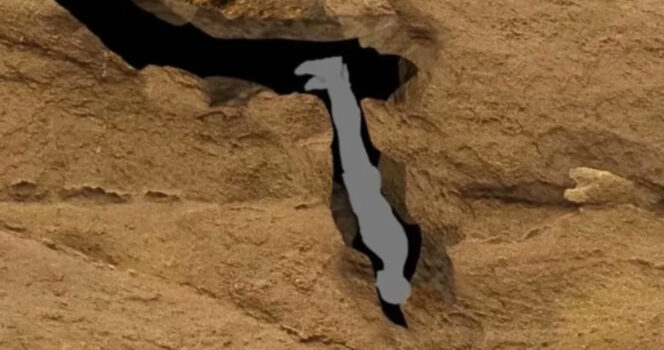
In November 2009, 26-year-old John Edward Jones died in one of the most agonising cave accidents in modern memory. The medical student and father-of-one was exploring Utah’s Nutty Putty Cave with his brother and friends when he took a wrong turn into an unmapped passage only 10 inches high and 18 inches wide.
He became wedged headfirst, unable to turn around. His brother went for help, launching a 27-hour rescue effort as dozens of rescuers fought the cramped conditions and Jones’ worsening condition. Trapped upside-down, blood rushed to his head and his heart came under severe strain.
Rescuer Brandon Kowallis, the last person to see him alive, said Jones drifted in and out of consciousness and struggled to breathe. A radio was brought so he could speak to his family one final time.
When rescuers later checked on him, his breathing was laboured and his legs were twitching—a sign he was failing. Attempts to move him horizontally were impossible in the tight space. Jones eventually went unresponsive and died from cardiac arrest and suffocation.
Because retrieving the body was too dangerous, officials sealed the passage, turning Nutty Putty Cave into Jones’ permanent resting place.