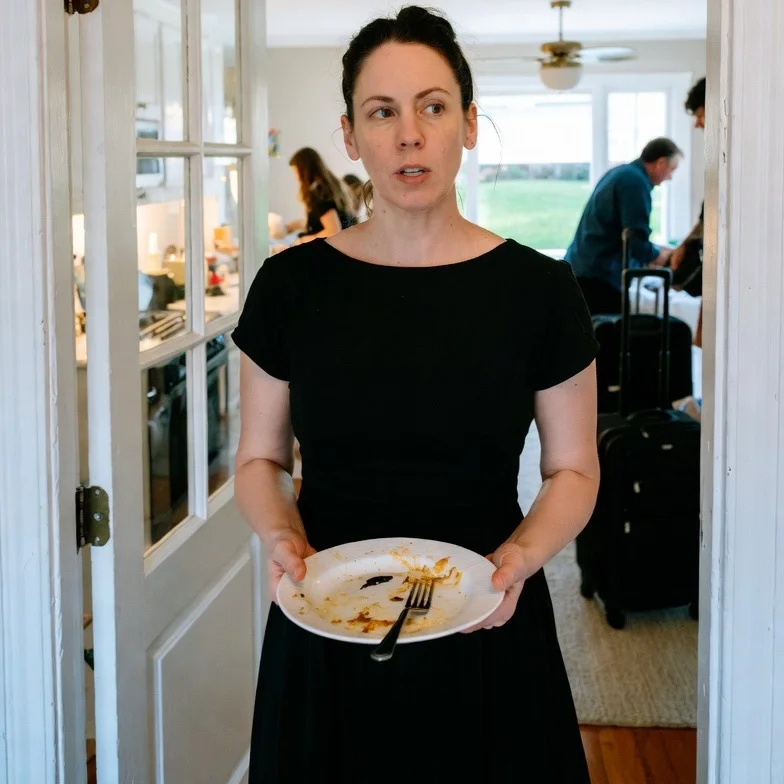
Wendy grows up as the “invisible” daughter in a family that favors her younger sister Megan, who is married with kids. While Megan is praised, Wendy is expected to quietly help—cooking, cleaning, babysitting, and sacrificing her time without thanks. Her family treats her availability as obligation, not kindness.
After a painful breakup, Wendy secretly finds purpose in photography, creating an anonymous project called Invisible Women, which gains a large following. With encouragement from her unconventional Aunt Ruth, Wendy is offered a solo gallery exhibition in California.
At her parents’ anniversary party, Wendy learns she’s excluded from a family Hawaii trip because she’s expected to stay behind and watch Megan’s children. She later discovers emails proving her family sees her as “free help.” That night becomes her breaking point.
Wendy leaves for California, moves in with Aunt Ruth, and commits to her art. Her exhibition is a success—earning sales, recognition, and respect. When her family shows up demanding she return to her old role, Wendy publicly sets firm boundaries and refuses to sacrifice her life again.
In the end, Wendy builds a career, a healthier distance from her family, and a sense of self-worth. She learns that love should not require self-erasure—and that walking away can be the bravest form of self-respect.