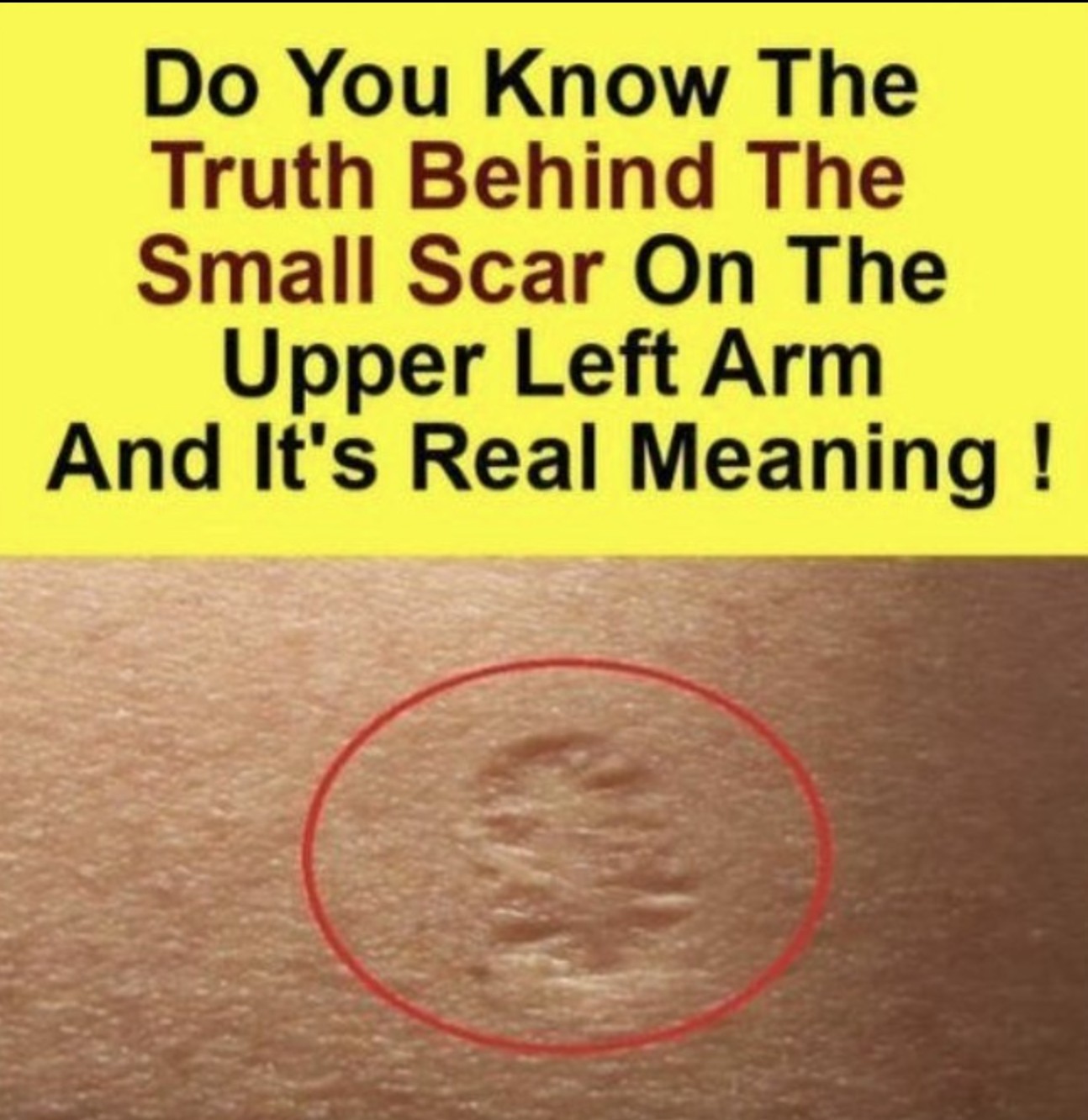
I remember noticing a distinct scar on my mother’s shoulder as a child—a ring of small indents around a larger one. I don’t know why it caught my attention, and over the years, I forgot about my curiosity.
Years later, while helping an elderly woman off a train, I spotted the same scar on her arm. Curious, I called my mother, who reminded me she had explained it before: it came from the smallpox vaccine.
Smallpox was a deadly viral disease, killing about 30% of those infected and leaving many disfigured. Thanks to widespread vaccination, it was declared extinct in the U.S. in 1952, and routine vaccinations stopped in 1972.
Before then, every child was vaccinated, leaving a clear scar—a sort of “first vaccine passport.” The scar appeared because the vaccine was delivered with a two-pronged needle, creating multiple punctures. The virus caused bumps, then blisters, which scabbed over, leaving the familiar mark that my mother—and most people her age—still bear.