The fatal shooting on the set of the Western film Rust stands as one of the most devastating and consequential tragedies in the history of modern filmmaking.
What should have been a controlled rehearsal on a quiet movie ranch in New Mexico became a defining moment that exposed deep systemic failures within the film industry.
The death of cinematographer Halyna Hutchins and the wounding of director Joel Souza not only shattered lives but also forced Hollywood to confront long-standing issues surrounding safety, labor conditions, and accountability on film sets.
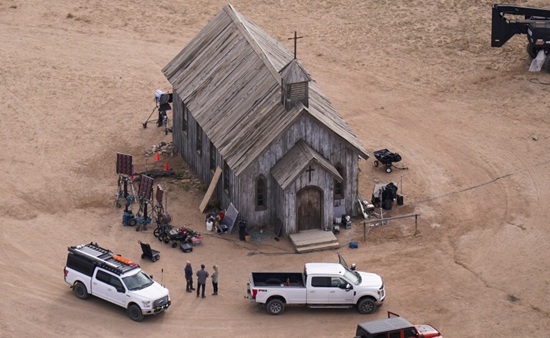
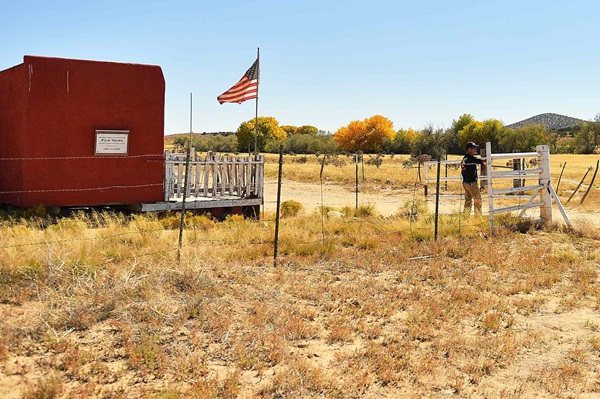
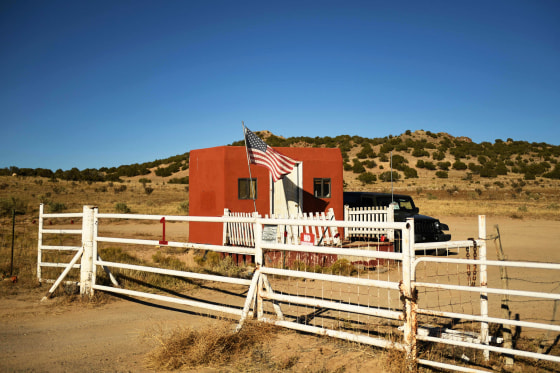
On October 21, 2021, production was underway at Bonanza Creek Ranch, just outside Santa Fe. Rust was a low-budget independent Western, a genre that often relies on firearms to convey realism and tension.
Like many such productions, the film used real weapons that were intended to be handled under strict safety protocols. Those protocols failed with catastrophic consequences.
A Routine Rehearsal Turns Fatal
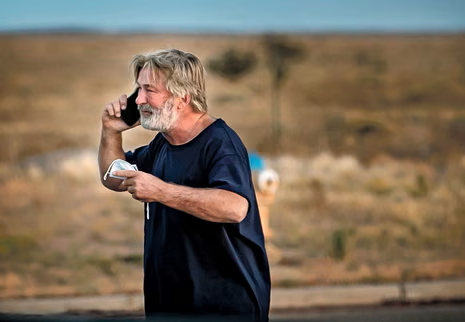
The incident occurred during preparations for a scene inside a small wooden church set. Actor Alec Baldwin, who starred in the film and also served as one of its producers, was rehearsing a cross-draw maneuver with a .45-caliber Colt revolver.
According to standard film terminology, the gun had been described as “cold,” meaning it was believed to contain no live ammunition.
During the rehearsal, the revolver discharged. A live round struck Halyna Hutchins in the chest and then traveled onward, wounding director Joel Souza in the shoulder.
Emergency services were called immediately, but Hutchins was pronounced dead shortly after being airlifted to a hospital. Souza survived after receiving medical treatment.
The shock on set was immediate and profound. Crew members stood stunned as first responders worked in the dusty New Mexico landscape.
Within hours, production was halted, and the film industry was confronted with an unthinkable reality: a live bullet had been fired on a movie set, killing a crew member who was simply doing her job.
Remembering Halyna Hutchins
Halyna Hutchins was 42 years old at the time of her death. Born in Ukraine, she built her career through persistence, talent, and a passion for visual storytelling.
Colleagues described her as exceptionally creative, generous with her knowledge, and deeply committed to her craft. She was widely regarded as a rising talent in cinematography, with a distinctive visual style and a collaborative approach that made her highly respected on set.
Her death resonated far beyond Hollywood. Tributes poured in from filmmakers, actors, and cinematographers around the world, many of whom emphasized that Hutchins’ loss was not merely tragic but preventable.
For many, her name quickly became synonymous with the urgent need for safer working conditions in film and television production.
Early Investigations and Troubling Revelations
The investigation led by the Santa Fe County Sheriff’s Office revealed a series of troubling details about the Rust production. Reports emerged that there had been previous accidental firearm discharges on set in the days leading up to the fatal shooting.
Additionally, members of the camera crew had reportedly walked off the production just hours earlier, citing concerns about safety practices, long hours, and substandard housing arrangements.
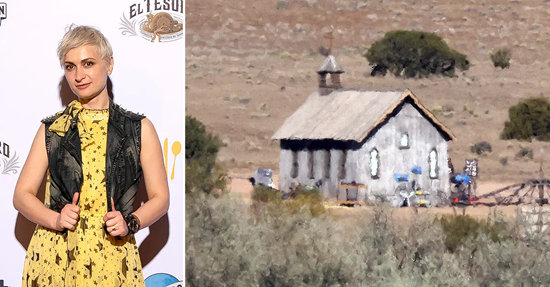
Central to the investigation were two key crew members: armorer Hannah Gutierrez-Reed and assistant director David Halls.
Gutierrez-Reed, who was responsible for maintaining and securing the film’s weapons, faced scrutiny over her experience level and adherence to safety procedures.
David Halls, who was responsible for on-set safety coordination, reportedly handed the revolver to Baldwin and announced that it was “cold.”
These revelations painted a picture of a production under pressure, where cost constraints and time limitations may have contributed to lapses in established safety protocols.
Industry experts emphasized that film set firearm safety relies on multiple layers of checks, and the failure of even one layer can lead to disaster.
Alec Baldwin’s Complex Role
Alec Baldwin’s involvement in the tragedy was multifaceted. As the actor holding the firearm, he was directly involved in the incident. As a producer, he also held a leadership position within the production. This dual role placed him at the center of public and legal scrutiny.
In interviews following the shooting, Baldwin stated that he did not pull the trigger and that the gun discharged when he pulled back the hammer.
This claim became a central point of debate among forensic experts, firearms specialists, and legal authorities. While some experts questioned the mechanical plausibility of the claim, others focused on broader issues of safety responsibility rather than the precise mechanics of the gun.
Public opinion was deeply divided. Some viewed Baldwin as another victim of systemic negligence, while others argued that his status and authority on set carried an added responsibility to ensure safe working conditions.
Criminal and Civil Legal Proceedings
The legal aftermath of the Rust shooting unfolded over several years and was marked by complexity and controversy. In January 2023, Baldwin was charged with involuntary manslaughter.
The charge was later dismissed, then refiled, reflecting shifting legal interpretations and new evidence.
In July 2024, a New Mexico judge dismissed the involuntary manslaughter charge against Baldwin with prejudice after determining that prosecutors had failed to disclose key evidence related to the firearm and ammunition. This ruling effectively ended the criminal case against him, and the prosecution later dropped its appeal.
Meanwhile, Hannah Gutierrez-Reed was tried separately. In March 2024, she was convicted of involuntary manslaughter.
Prosecutors successfully argued that her handling of firearms and ammunition on set was negligent and that live rounds should never have been present during filming.
She was sentenced to prison, marking one of the rare instances in which a film crew member faced criminal punishment for an on-set accident.
Assistant director David Halls entered a plea agreement for negligent use of a deadly weapon and received probation.
In addition to criminal cases, civil lawsuits were filed by Halyna Hutchins’ family. These lawsuits sought financial accountability and acknowledgment of the harm caused. Baldwin and other parties eventually reached a settlement with Hutchins’ estate, providing financial support for her husband and young son.
Industry-Wide Reckoning
The Rust tragedy triggered a sweeping reevaluation of safety practices across the entertainment industry. For decades, real firearms had been used on sets under controlled conditions, often justified by claims of authenticity. Hutchins’ death forced many to question whether that practice was still defensible.
Numerous actors, directors, and production companies publicly pledged to stop using functional firearms entirely.
Advocacy groups and unions pushed for stronger regulations, mandatory safety training, and increased oversight. Film studios began investing more heavily in non-functional replicas and digital visual effects to simulate gunfire without physical risk.
Unions such as IATSE updated their safety bulletins, emphasizing that no production schedule or budget constraint should override worker safety.
The incident reinforced a growing labor movement within Hollywood that sought to dismantle the long-standing “show must go on” mentality when it came at the expense of human well-being.
The Completion of Rust
In a controversial decision, the producers of Rust chose to complete the film. Production resumed in Montana, with significant changes to safety procedures. Halyna Hutchins’ widower was brought on as an executive producer, and the filmmakers stated that finishing the project was intended to honor her final work.
Reactions to this decision were mixed. Some viewed it as a meaningful tribute that allowed Hutchins’ artistry to be seen by the world.
Others felt that the film’s completion risked reopening wounds and commercializing a tragedy. Regardless of perspective, the decision underscored how deeply the incident had embedded itself into the film’s identity.
Lasting Impact and Legacy
The legacy of the Rust shooting is defined by profound loss and lasting change. Halyna Hutchins’ death was not the result of a random accident but of systemic failures that spanned individual actions, production oversight, and industry norms.
Legal outcomes from the case have already begun influencing discussions about liability and responsibility on film sets.
Safety standards have been tightened, and awareness of crew working conditions has increased. While these changes cannot undo what happened, they represent a collective effort to prevent similar tragedies in the future.
For Alec Baldwin, the incident will remain an indelible part of his public life. Regardless of legal outcomes, he has acknowledged the emotional weight of the tragedy and its permanent impact on all involved.
Conclusion
The story of Rust is one of heartbreak, accountability, and transformation. It serves as a stark reminder that artistic ambition can never justify unsafe working conditions.
Halyna Hutchins’ name has become a symbol of the human cost behind the scenes of entertainment and a call to action for a safer, more responsible industry.
As Hollywood continues to evolve, the tragedy stands as a lesson written in the harshest terms. The only meaningful tribute to those lost is a commitment to change—one that ensures no life is ever again sacrificed for the sake of a film.