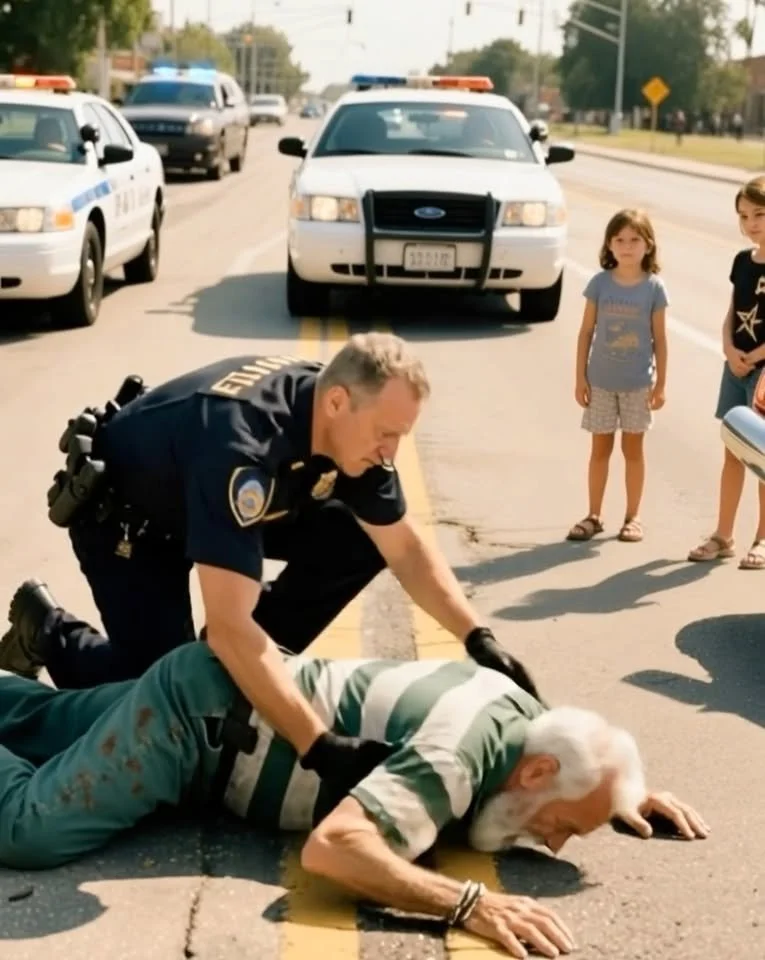
On a scorching August afternoon, my 72-year-old husband Harold—a Vietnam veteran—left home for his routine ride to the VA hospital in Phoenix. When he didn’t return for hours, I knew something was wrong.
A neighbor called to tell me his motorcycle was stopped at a major intersection, surrounded by police. When I arrived, I found Harold lying face-down on burning asphalt, handcuffed, while officers treated him like a dangerous criminal. His offense was an allegedly “too loud” exhaust—despite the bike having passed inspection weeks earlier.
He remained on the pavement for over twenty minutes as traffic backed up and strangers stared. When he was finally released, his face was burned, his hands shaking, and his dignity shattered. As one officer removed the cuffs, he leaned in and told Harold he was “too old” to be on the road and should give up riding.
That night, the man who had survived war and built a life for our family quietly told me he might sell his motorcycle.
Instead, I took action.
With the help of a civil rights attorney, we discovered Harold’s stop wasn’t random—it was retaliation. Weeks earlier, he had spoken against a city ordinance targeting motorcycle riders, many of them older veterans. The officer involved was related to a local councilman embarrassed by Harold’s testimony.
What followed was bigger than us. We found a pattern of harassment against senior veteran riders, organized a community coalition, and brought media attention to the abuse. Medical experts testified to the therapeutic value of riding for veterans, and public pressure mounted.
The result: the ordinance was suspended, past citations were reviewed, and the officer was removed from duty and later fired. Harold’s ticket was dismissed.
More importantly, Harold got his dignity back.
Months later, he was leading group rides for veterans and helping train officers on respectful treatment. What began as humiliation became a movement.
Harold still rides to the VA—now alongside others who refuse to be treated as if they don’t belong.