Thomas was fifty-one. We’d married young, divorced amicably, and built separate lives. He became wealthy; I became a nurse, finding peace in solitude. After his death, I drove to his memorial, unsure whether coming was closure or self-punishment.
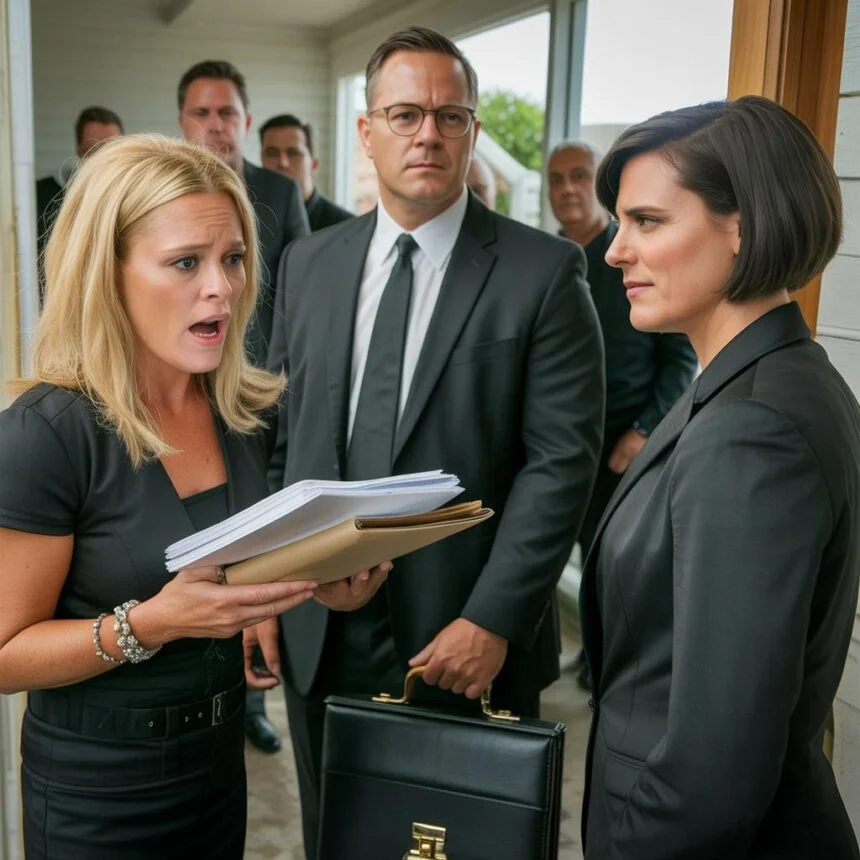
Inside, the service was polished but impersonal—speeches about his business success, nothing of the tender man I’d married. Later, at the reception, his second wife, Victoria, approached me with cold condescension, insinuating I’d come for money. But then the family attorney, Gerald, intervened.
He handed me a sealed letter from Thomas. In front of everyone, Gerald read it aloud: Thomas had left me 40% of his estate—$16 million—plus our first home and a college trust. He detailed how my sacrifices early in his career made his success possible, calling it restitution, not charity.
The room fell silent, then erupted in shock. Victoria protested, but the will was ironclad. Thomas had planned it all after his cancer diagnosis, ensuring I was acknowledged and provided for.
In the weeks that followed, I kept working as a nurse, used the money for good—paying off my home, setting up scholarships, donating to causes Thomas cared about. I visited our old house, remembering the late nights we’d spent building his dream together.
Months later, reading his letter again, I felt no anger or pride—just release. Thomas had finally seen me, and in honoring my role in his life, he gave me the one thing I hadn’t realized I needed: recognition. Not for the money or the vindication, but for the quiet truth that I had been the foundation all along.