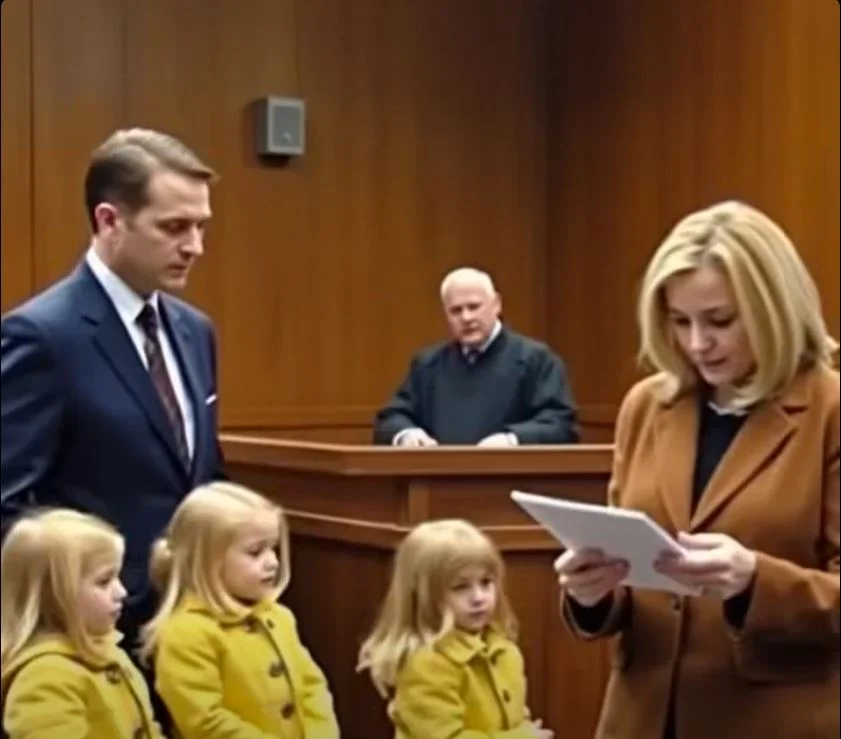
The courtroom was unusually quiet that morning. I sat beside my attorney, watching my soon-to-be ex-wife, Lenora, whose confident posture betrayed nothing of the storm about to hit. Fifteen years of marriage, shared children, and memories all seemed suspended in that moment.
Months earlier, doubts had led me to order a DNA test—questions I needed answered. When Judge Castellan opened the results, the room fell silent. “According to these results,” he said, “your youngest child, Wyatt, does not appear to be genetically related to Mr. Chandler. The report also shows a high genetic match with your eldest son, Marcus.”
Lenora’s composure vanished. Her lawyer scrambled through papers. The judge remained calm: the documents were certified, and the court would consider them in future proceedings.
I spoke next, steady. “Marcus and Jolene are my children. I’ve loved and raised them my entire life. But I cannot agree to financial arrangements based on information that appears inaccurate.” Judge Castellan nodded, scheduling a follow-up hearing.
Walking out of the courthouse, I felt a weight lift. The uncertainty was partially resolved, though the road ahead remained. My thoughts were with the kids—Marcus, Jolene, and Wyatt—reminding me that their stability and care mattered more than legal technicalities.
Life rarely unfolds as expected. That day, the truth began to surface, offering a chance to rebuild honestly. Fifteen years of history remained, but the future—guided by integrity and a commitment to the children—felt open.
In the weeks afterward, I reflected on trust, family, and resilience. Divorce is never just about paperwork; it’s about real lives. While difficult, the experience reinforced my role as a father: defined not by documents, but by love, guidance, and presence. Sometimes, moving forward honestly is the most important step of all.