When I brought my newborn baby home from the hospital, I expected exhaustion and nerves—but not fear.
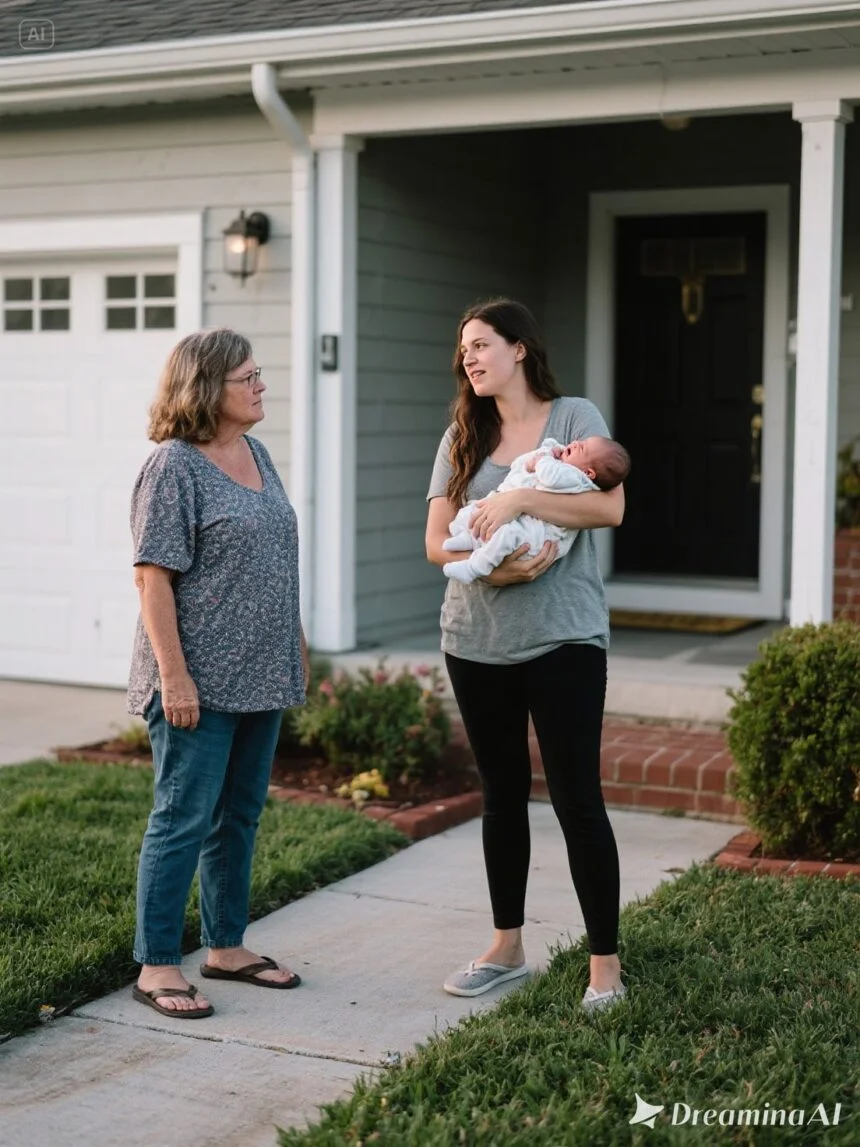
As I carried the car seat up the steps, my neighbor, Mrs. Caldwell, waved from her porch. She mentioned she had heard a baby crying in my house the night before. I told her that was impossible—we had still been at the hospital.
Inside, the front door was unlocked. The house smelled faintly of baby powder. My heart stopped when I saw the bassinet. A blanket lay inside it—wrinkled and warm. The baby monitor was turned on, and there were small fingerprints on the side. A pacifier sat there too, but it wasn’t ours.
Then we heard footsteps upstairs.
A woman slowly appeared with her hands raised.
It was my older sister, Angela.
Police arrived minutes later. Angela didn’t resist. At the station we learned the truth: eight months earlier she had suffered a stillbirth and never recovered from the grief. After following my pregnancy online, she broke into our house when we went to the hospital.
She had even taken a baby from a hospital volunteer program for infants awaiting placement—caring for him overnight before quietly returning him the next morning.
No baby was physically harmed, but the damage was real. Angela was charged but sent to psychiatric treatment instead of prison.
Afterward, my home no longer felt safe. I checked locks constantly and couldn’t sleep unless my daughter was in my arms. Therapy helped me understand the trauma and betrayal I felt.
Months later, I visited Angela once. I told her she would never be part of my daughter’s life. Healing didn’t give her the right to access us.
Over time, things slowly improved. My daughter grew, laughter replaced fear, and our house began to feel like home again.
Angela hadn’t stolen a baby.
She had stolen certainty—and that kind of trust takes time to rebuild.