No conversation. No therapy. Just an envelope with documents and a sticky note: “Please don’t make it difficult.”
Caleb, always polite when cruel, was seeking full custody of our ten-year-old daughter, Harper. He painted himself as calm and reliable; people believed him.
In court, Harper sat next to me, feet barely touching the floor, hands folded, watching our lives unravel. Caleb insisted she be there to “see reality”—reality being a little girl forced to witness her parents’ battle.
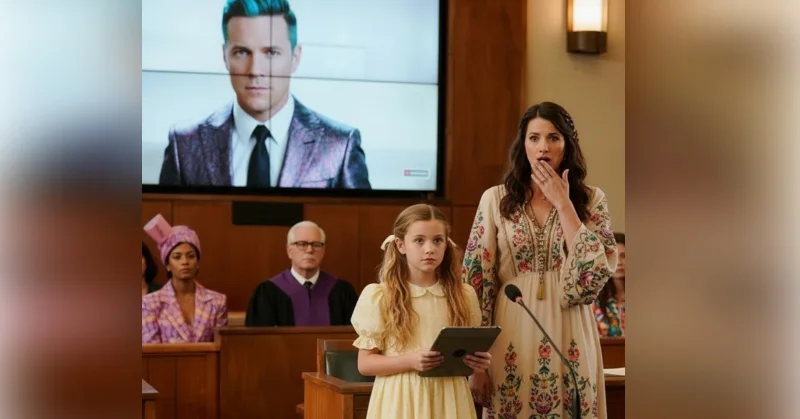
After Caleb’s lawyer spoke, Harper stood, trembling but determined.
“Your Honor,” she said, “can I show you something? Something Mom doesn’t know.”
The courtroom went silent. Caleb’s composure cracked. The judge asked for the child’s device. Harper handed over the tablet, revealing a video of Caleb threatening her, warning she’d never see me again if she spoke.
The judge paused the video, looked at Caleb, then at me, and adjourned the hearing.
That day, my daughter spoke for both of us. The truth arrived—not from lawyers or evidence—but from the bravest voice in the room.