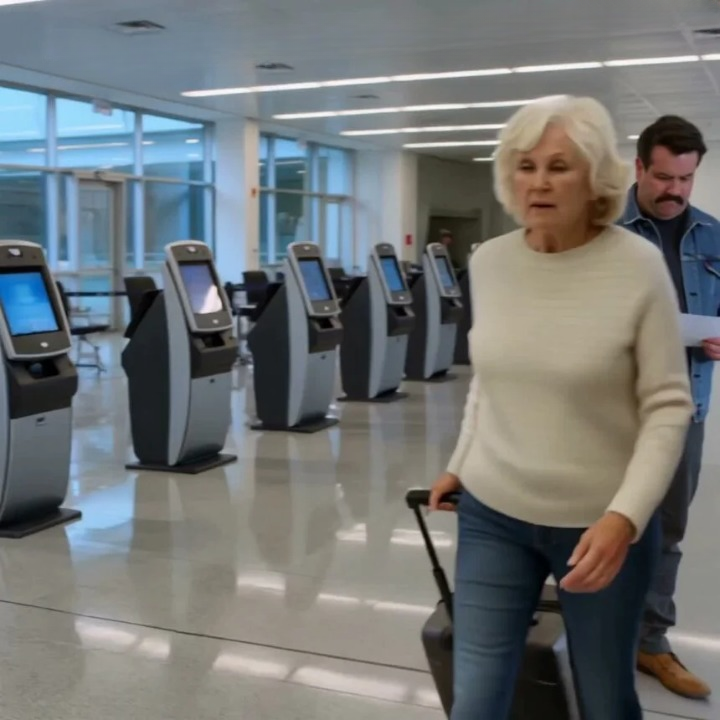
As I stood in the busy terminal at O’Hare International Airport, the weight of what had just happened settled over me. My daughter-in-law had gently told me my seat on the Hawaii trip I planned and paid for had been given to her mother because the children felt “closer to her.” My son had quietly agreed.
I didn’t argue. I didn’t raise my voice.
“I understand,” I said, and stepped away.
But the hurt wasn’t just about a seat. It was about realizing I had been quietly replaced in something I had spent months planning and years earning—the result of a lifetime of hospital shifts, sacrifices, and saving for moments like this.
This wasn’t meant to be just a vacation. It was supposed to be family.
Instead, I felt like an outsider watching it happen without me.
My son dismissed it as “just one trip,” but something inside me shifted in that moment—not anger, but clarity.
I found a quiet corner of the terminal and made a few calm phone calls. No confrontation. No emotion. Just decisions.
By the time I finished, the vacation no longer looked the same. And neither did the expectations my family had taken for granted.
It wasn’t about punishment. It was about balance. About making sure what I gave went to people who understood its value.
Then I went further.
For the first time, I looked at my estate plans with the same clarity. Not to withdraw love—but to stop rewarding indifference.
As planes lifted into the sky toward Hawaii, I realized something simple: I wasn’t losing a trip. I was finally taking control of how I was treated.
I walked out of the airport into the cool Chicago air with a quiet sense of certainty.
This wasn’t an ending.
It was the beginning of no longer being taken for granted.