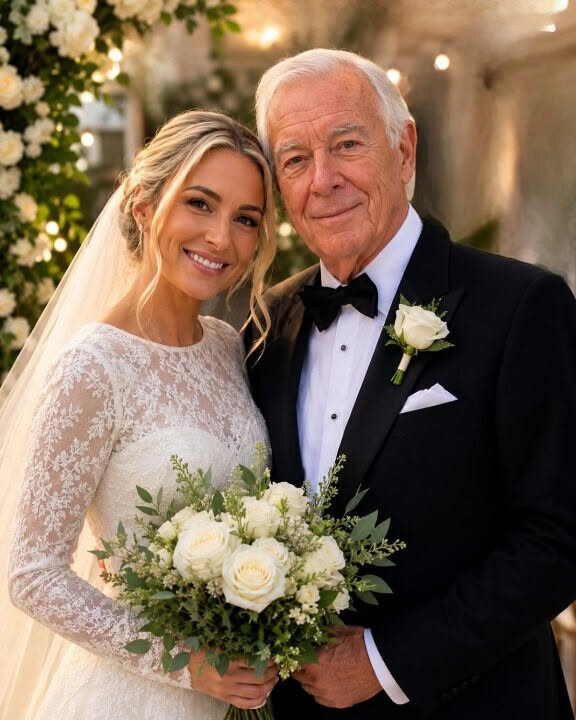
Arthur’s final days were nothing like I expected.
As he lay in the hospital bed, he placed an old cardboard box into my hands and told me something that left me speechless: I would not be inheriting any of his wealth.
Outside the room, his three grown children were already arguing over his fortune, convinced I had married him for money. I was 32, he was 84—and to them, the story had always been simple.
But Arthur’s gaze told me there was something deeper.
He asked me not to open the box until after his funeral. I agreed.
For two years, I had lived under quiet judgment from his family. They saw suspicion in everything I did. But with Arthur, life had never been about money. It had been about peace—shared meals, long conversations, and a sense of belonging I had never known before.
After his passing, the truth was finally revealed in the lawyer’s office. Arthur left all his wealth to his children. I received nothing.
But then came a second revelation: a lakeside cottage, excluded from the estate, now legally mine.
Inside the documents was a letter from Arthur’s late wife, Sophia. She had written that if Arthur ever found someone who brought him happiness again, that person should inherit the cottage—not as an asset, but as a home.
Later that night, I finally opened Arthur’s box.
Inside were photographs, a key, property papers, and two handwritten letters.
Arthur hadn’t left me money.
He had left me something far more meaningful: a place where I truly belonged.