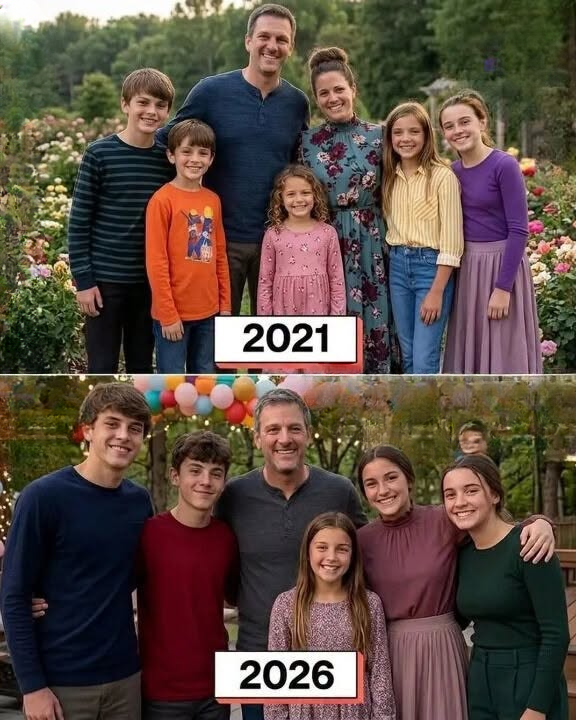
Five years after my wife Julia passed away, my 10-year-old daughter Lily handed me an old shoebox.
“Mom said you should open this today,” she whispered.
Inside were handwritten letters, a flash drive, and a notarized document.
For years, I had raised Julia’s five children alone while her wealthy parents questioned whether I was truly their father. They believed money and status mattered more than love and commitment.
But Julia had planned for this.
The recording inside the box revealed a conversation between Julia and her parents before she died. They had offered her financial security, a home, and private schools for the children—but only if she left me and gave them control.
Julia refused.
She told them I was the children’s father because I stayed through everything: the struggles, the sickness, the fear, and the everyday moments that built our family.
She had documented her wishes to protect the children and the life we created together.
A week later, Julia’s parents held a public fundraiser, claiming they had always been the ones supporting the family.
Then Lily stepped forward and played her mother’s final message.
The room went silent.
People finally heard the truth.
Julia’s parents didn’t lose their wealth, but they lost the power to rewrite her story.
Weeks later, Julia’s mother returned—not with lawyers or demands, but with an apology and a desire to repair the damage.
At Julia’s grave, Lily read her mother’s final words:
“Family is not built by the people who have the most money. It is built by the people who stay when life becomes the hardest.”
And for the first time in years, everyone understood what Julia had always known.
Love was what made us a family.