My Neighbor Parked His SUV on My Lawn — By Morning, He Realized He Had Made a Very Expensive Mistake
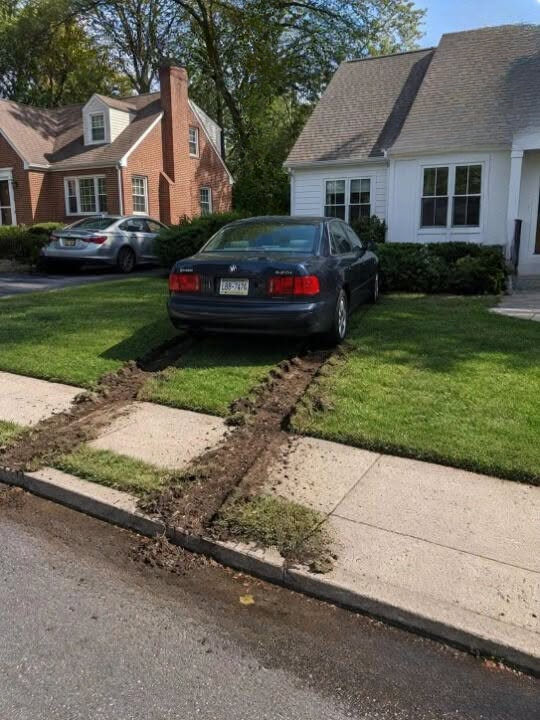
I stopped in my tracks when I looked through my living-room window and saw my neighbor’s black SUV parked directly in the middle of my front lawn.
He had driven straight over the curb, crushed part of my flower bed, and left deep tire tracks across the grass I had spent months restoring.
The worst part?
There were plenty of empty parking spaces on the street.
I walked over and asked him to move.
He simply smiled.
“It’s just grass.”
That was when I realized something.
My attempts to avoid conflict had only taught him that he could ignore my boundaries.
So I didn’t argue.
Instead, I went back inside and checked my security cameras.
The footage showed everything.
At 6:17 that morning, he had looked around to make sure nobody was watching, backed out of his own driveway, crossed the property line, and deliberately parked on my lawn.
Then he looked directly toward my window and smiled.
I saved the video.
I photographed the damage.
And I filed a formal complaint with our HOA.
But my neighbor still refused to move his SUV.
That evening, after three days of heavy rain, I looked at the soaked lawn and remembered the irrigation system sitting in my garage.
I had an idea.
I didn’t touch his SUV.
I didn’t damage it.
I simply watered my own lawn.
By morning, the soft ground could barely support the SUV’s weight.
His tires had sunk deep into the mud.
When he tried to leave, they spun helplessly.
He came storming to my door.
“You need to fix this!”
I calmly pointed out that he had chosen to park there.
A professional recovery company eventually had to pull the SUV out.
He ended up paying for the recovery, the HOA violation, and the damage to my landscaping.
But the best part wasn’t the money.
After that day, he never parked on my property again.
No more complaints.
No more trespassing.
No more disrespect.
I finally understood something:
Sometimes protecting your peace doesn’t mean avoiding confrontation.
It means setting a boundary—and letting people live with the consequences of crossing it.