The 6 Most Common Types of Acne and What Causes Them
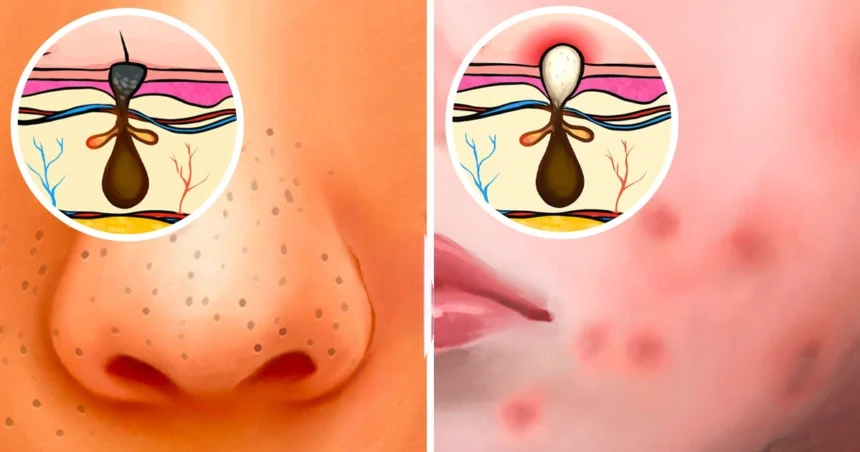
Acne is generally divided into two categories: non-inflammatory and inflammatory. Non-inflammatory acne includes whiteheads and blackheads, while inflammatory acne includes papules, pustules, nodules, and cysts. More severe forms may require medical treatment.
Whiteheads: Small, flesh-colored or white bumps caused by pores clogged with oil, dead skin cells, and debris.
Blackheads: Small dark spots caused by clogged and widened hair follicles. Their dark color comes from exposure to air—not dirt.
Papules: Small, red, swollen, tender bumps under the skin. They don’t have a visible center and can result from irritation, allergic reactions, or other skin conditions.
Pustules: Inflamed pimples with a white or yellow pus-filled center surrounded by red, irritated skin. They can develop when pores become clogged with oil and dead skin cells.
Nodules: Large, hard, painful lumps that develop deep beneath the skin. Severe nodules can lead to scarring and dark spots.
Cysts: Deep, soft, painful, pus-filled lumps that are among the most severe forms of acne and can cause significant scarring.
If acne is painful, severe, persistent, or leaving scars, consider speaking with a dermatologist about treatment.