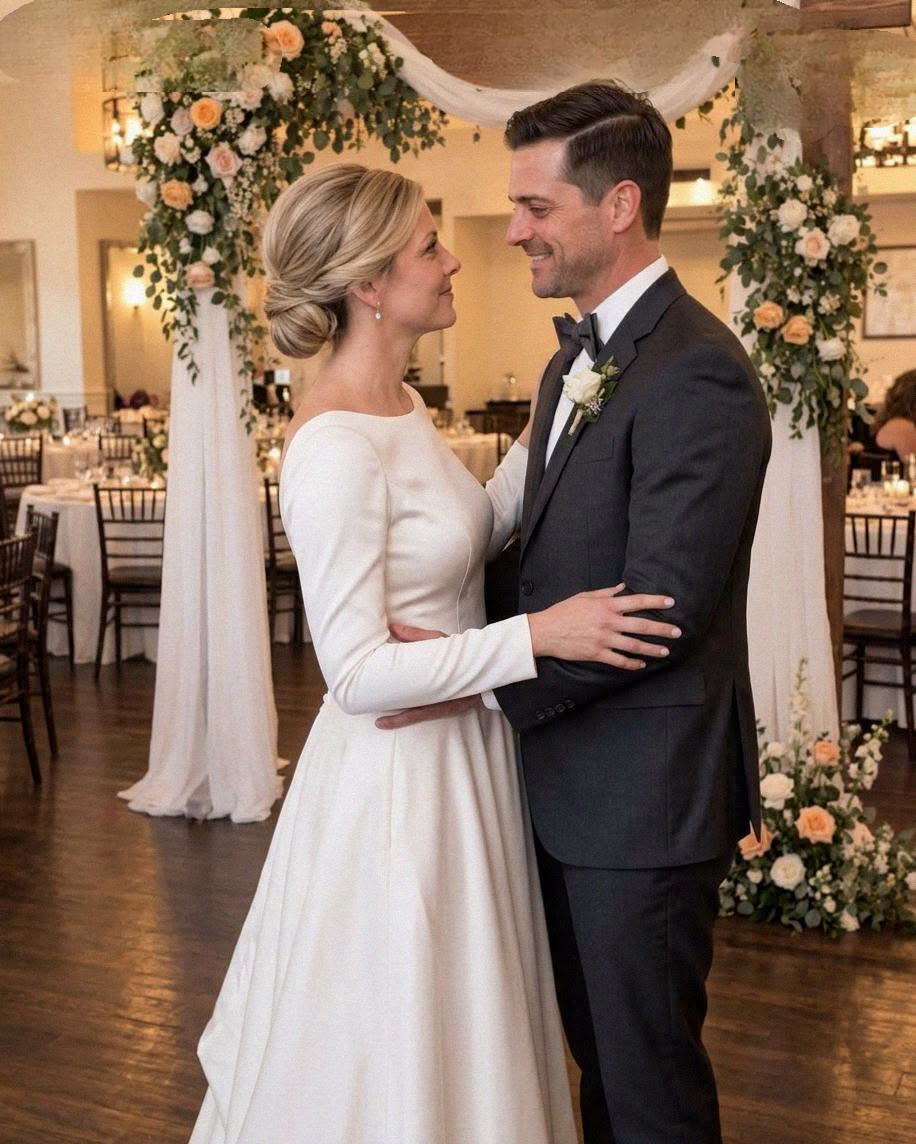
Four years after my wife Delilah died in a tragic accident, I married her childhood friend, Emily—the woman who helped me survive the grief.
On our wedding night, Emily handed me a sealed letter.
“Delilah gave me this before she died,” she whispered. “I don’t know if you’ll still look at me the same after you read it.”
Inside, Delilah revealed a secret.
She and Emily had made a ridiculous promise as teenagers: if one of them died young, the other would look after her husband. Delilah wanted me to know that if Emily and I ever truly fell in love, I shouldn’t feel guilty.
She even wrote Emily an “emergency Jim manual” explaining my habits, my favorite food, and how to comfort me.
For the first time, I felt free to love Emily.
Then I noticed the date on the letter.
December 6—exactly one week before Delilah died.
Suddenly, I wondered how Delilah could have known she was running out of time.
When I confronted Emily, she finally showed me their messages.
Delilah had discovered she had advanced pancreatic cancer just days before her death. She had planned to tell me that night—the same night she was killed in the accident.
Her final message to Emily said:
“I’m leaving for dinner now. I’m telling him tonight. No more hiding.”
Delilah hadn’t known she was going to die in the crash.
She had simply been hiding her illness because she was terrified.
Emily had kept the truth from me for years because she promised Delilah she wouldn’t tell me unless I needed to know.
I had mistaken her silence for something sinister.
I apologized to Emily for believing she could have hurt Delilah.
Weeks later, we stood together at Delilah’s grave.
For the first time, I understood that loving Emily didn’t mean letting go of Delilah.
It meant honoring the future Delilah herself wanted us to have.