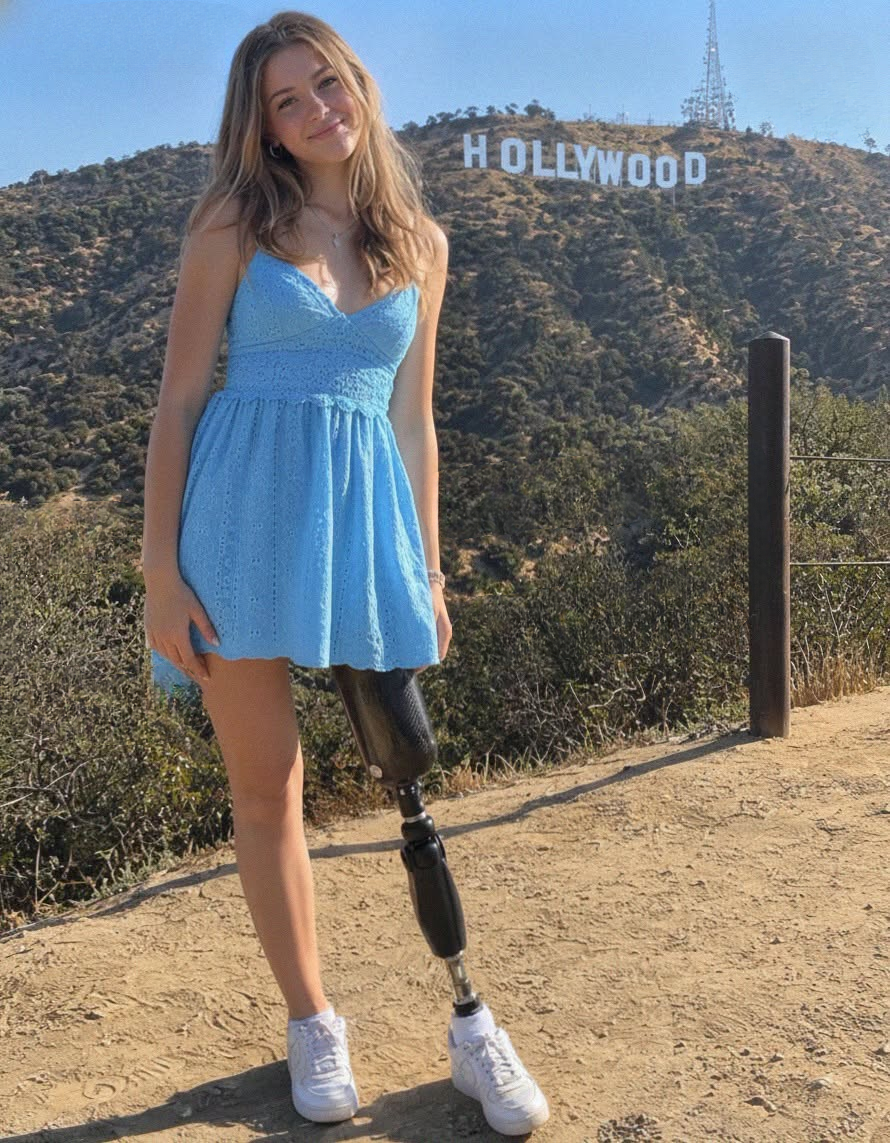
My 15-year-old daughter Lily returned from her dream trip to Los Angeles silent, angry, and frightened.
Before the final day, she had called me every night and sent cheerful photos. Then suddenly, everything stopped.
When she came home, she locked herself in her room, barely ate, flinched at her phone, and kept watching the windows.
Whenever I mentioned Los Angeles, she snapped, “Stop asking me about that place!”
Then her teacher called.
“How is Lily doing after everything?”
“After what?” I asked.
The teacher hesitated.
“So Lily didn’t tell you what happened on the last night?”
I soon learned that Lily had slipped away from her group and been found near a restricted Hollywood soundstage where an actor named Max was filming.
When I confronted her, she showed me photos of Max.
“Look at us,” she said. “He’s my father.”
I told her I had never met him, but Lily insisted the resemblance was proof.
Then I discovered someone online was pretending to be Max and trying to scam her for money in exchange for a DNA test.
I stopped the payment and contacted Max’s agency myself.
Weeks later, Max came to our home.
Lily ran outside, crying, “Dad!”
But Max gently stopped her.
“I’ve never met your mother,” he said. “And because of a medical condition, I can’t be your biological father.”
Lily was devastated.
Yet Max admitted the resemblance was astonishing.
Instead of letting the experience destroy her, he offered Lily something unexpected: a chance to enter a celebrity-lookalike contest with a real acting workshop and screen test.
For the first time since Los Angeles, Lily looked hopeful again.
And, most importantly, she reached for my hand instead of pushing me away.