I refused to pay my younger sister’s rent for the third time, and she stopped speaking to me. A week later, an expensive restaurant called to confirm I was paying for her $2,000 dinner with 11 friends. She thought I’d be too embarrassed to refuse in public. She was wrong.
My name is Natalie, I’m 38, and my sister Vanessa is 31. After our parents passed away, I tried to make sure she never felt alone. I helped with groceries, rent, bills, and even let her stay on my couch when she lost her apartment.
But over time, her requests for help became expectations.
When Vanessa asked me for another $800 in rent money, I finally said no. I offered to help her make a budget and contact her landlord, but she accused me of caring more about my savings than my own sister.
A week later, a restaurant manager called. Vanessa had reserved a table for 12, ordered nearly $2,000 worth of food, and told the staff I’d cover the bill.
I had never agreed to pay a cent.
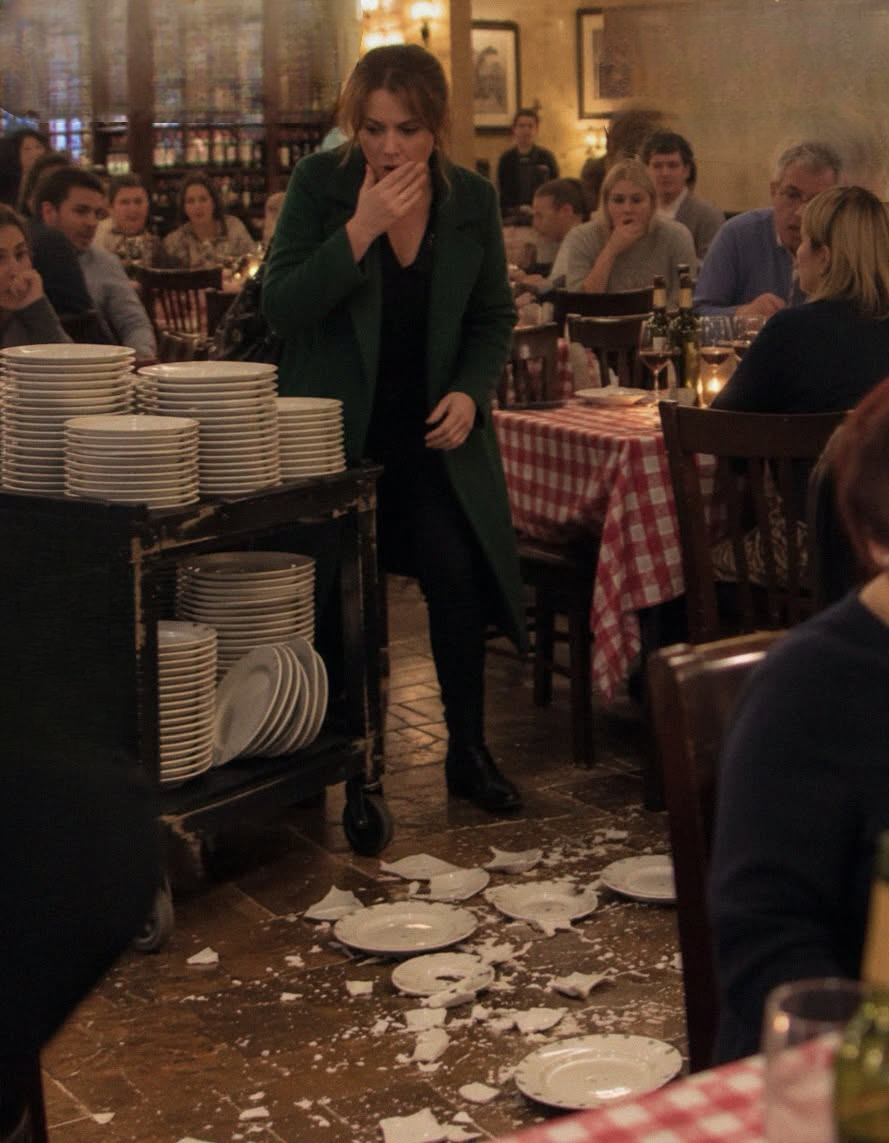
Instead of letting her put me on the spot, I arranged a small plate-breaking activity at the restaurant. When I arrived, Vanessa greeted me in front of her friends as if I were the generous sister hosting their celebration.
Then the bill arrived.
Vanessa confidently told the manager to give it to me. But he placed it directly in front of her and explained that I had never authorized payment.
The total was $1,947.86.
Her smile disappeared.
“You came here just to humiliate me?” she demanded.
“No,” I replied. “I came because a restaurant called to ask whether I was paying for a party I knew nothing about.”
Vanessa tried to convince her friends that I was punishing her over a private disagreement. But when I explained that she’d asked me for rent money and I’d refused, the room grew quiet.
Then Rachel, one of her friends, asked the question nobody else had dared to ask.
“Why would you plan a dinner this expensive if you couldn’t pay your rent?”
Vanessa finally admitted the truth.
She had expected me to pay because she thought I wouldn’t want to look bad in front of everyone. When I refused, she wanted her friends to blame me.
“I wanted you to know how it feels!” she shouted.
Her confession hurt more than the bill ever could. I’d spent years helping her because I loved her, never realizing she’d begun to resent me for it.
Several friends offered to cover their own meals, and Vanessa paid the remaining balance. I left without offering to rescue her from the consequences.
The next morning, she sent me a dozen angry messages. I replied once, telling her I needed distance and would no longer give her money.
Three months passed before she called to apologize.
Over coffee, Vanessa admitted that every time I helped her, she felt ashamed of her own situation. Instead of changing her habits, she’d taken her frustration out on me.
“I’ve been unfair to you for years,” she said. “I’m sorry.”
I accepted her apology, but I made one thing clear: I would never lend her money again.
Months later, Vanessa invited me to her apartment for a simple homemade dinner. There was spaghetti, salad, and garlic bread. When I asked what I should bring, she smiled and said, “Nothing. I’ve got it.”
For once, we talked about life instead of money.
Our relationship wasn’t magically fixed, but something had changed.
I finally understood that loving my sister didn’t mean paying her rent, funding her choices, or protecting her from every consequence.
I could love Vanessa without financing her life—and forgiving her didn’t mean pretending she’d never hurt me.