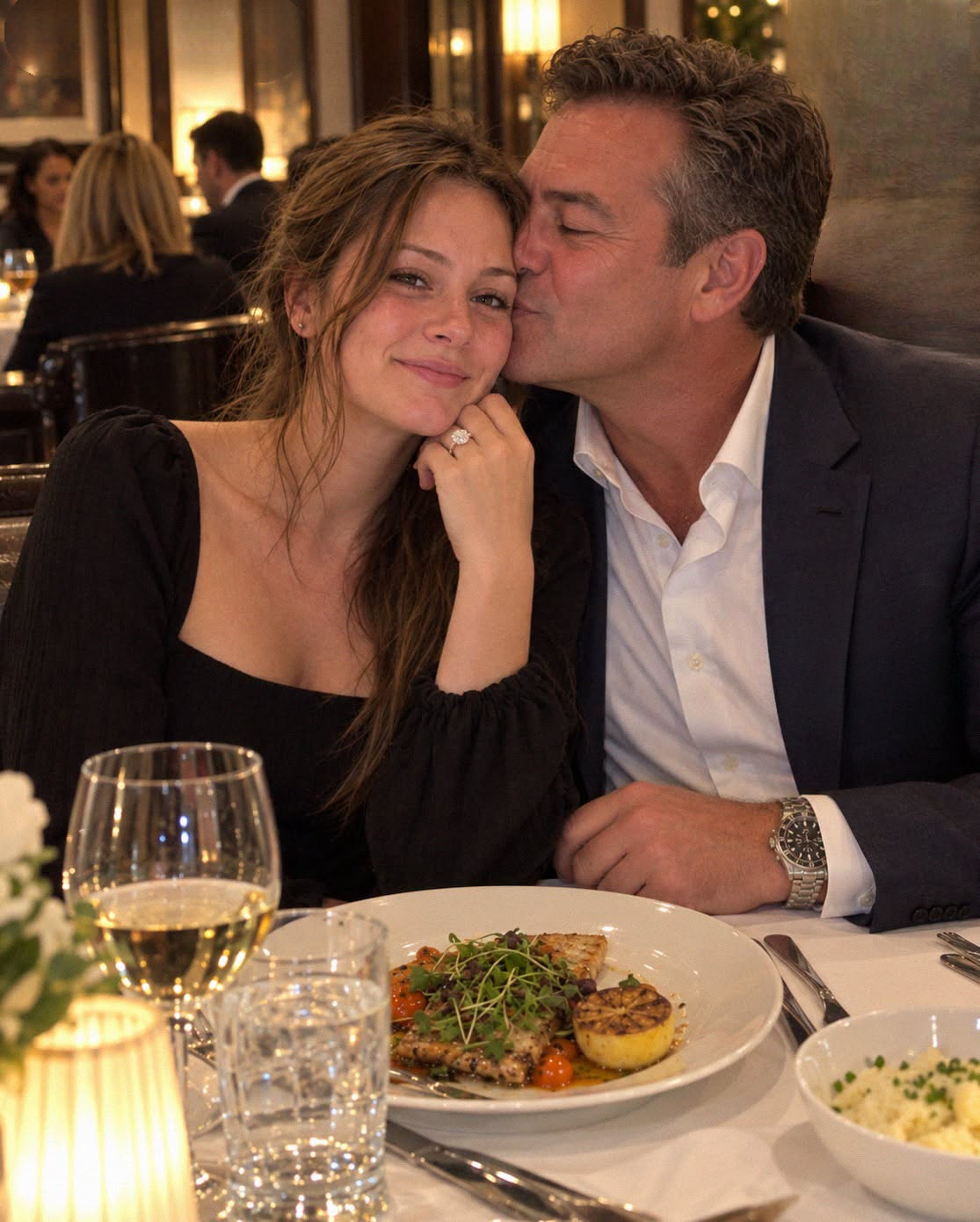
When my 18-year-old daughter, Janine, announced she was marrying her 50-year-old boss, Richard, I feared she was making the biggest mistake of her life. I raised her alone after her father died, and I couldn’t understand why a young woman with her whole future ahead of her would marry a man more than three decades older.
She insisted she loved him.
Three days before the wedding, she finally showed me his diary. One entry stopped me cold:
“I’m afraid that one day I’ll look at Janine and won’t remember who she is. I want to marry her while I still can.”
Janine told me Richard had Alzheimer’s. She said she’d watched him struggle with his memory, comforted him through his confusion, and fallen in love with the lonely man behind his successful business.
I wanted to believe her. But something didn’t feel right.
So I asked her to do one thing before the wedding: make sure she knew the truth.
We came up with an unusual plan. Janine’s best friend, Megan, would walk down the aisle wearing a similar wedding dress. We’d stop everything before the vows and see whether Richard genuinely mistook her for his bride.
When Megan reached the altar and lifted her veil, Richard’s expression changed instantly.
“Who are you?” he demanded. “Where’s Janine?”
He didn’t appear confused. He was furious.
When Janine finally stepped forward, he shouted that he knew exactly who she was. He described their first meeting, their first dinner, and the moment he’d proposed—all without hesitation.
Then I revealed something I had discovered.
I worked as a nurse at the hospital whose name appeared on the medical certificate Janine had shown me. Weeks earlier, I’d seen Richard in a corridor, laughing on the phone.
“I told that little fool I had Alzheimer’s,” he’d bragged. “Now she thinks I’m some poor, lonely man who needs saving.”
I had also heard him describe how his supposed illness would make Janine feel too guilty to leave him.
When I repeated his words in front of the wedding guests, Richard’s face went pale.
Janine stared at the man she’d planned to marry. The diary, the diagnosis, and the story of his tragic first love suddenly looked very different.
“You didn’t want a wife,” I told him. “You wanted a young woman who’d feel too guilty to ever leave you.”
For the first time, Janine didn’t rush to defend him.
The wedding stopped before the vows. She had come dangerously close to making a life-changing commitment based on a lie, but she still had time to choose her own future.
And as a mother, I’d learned something, too: protecting your child doesn’t always mean telling them what decision to make. Sometimes, it means helping them discover the truth before it’s too late.