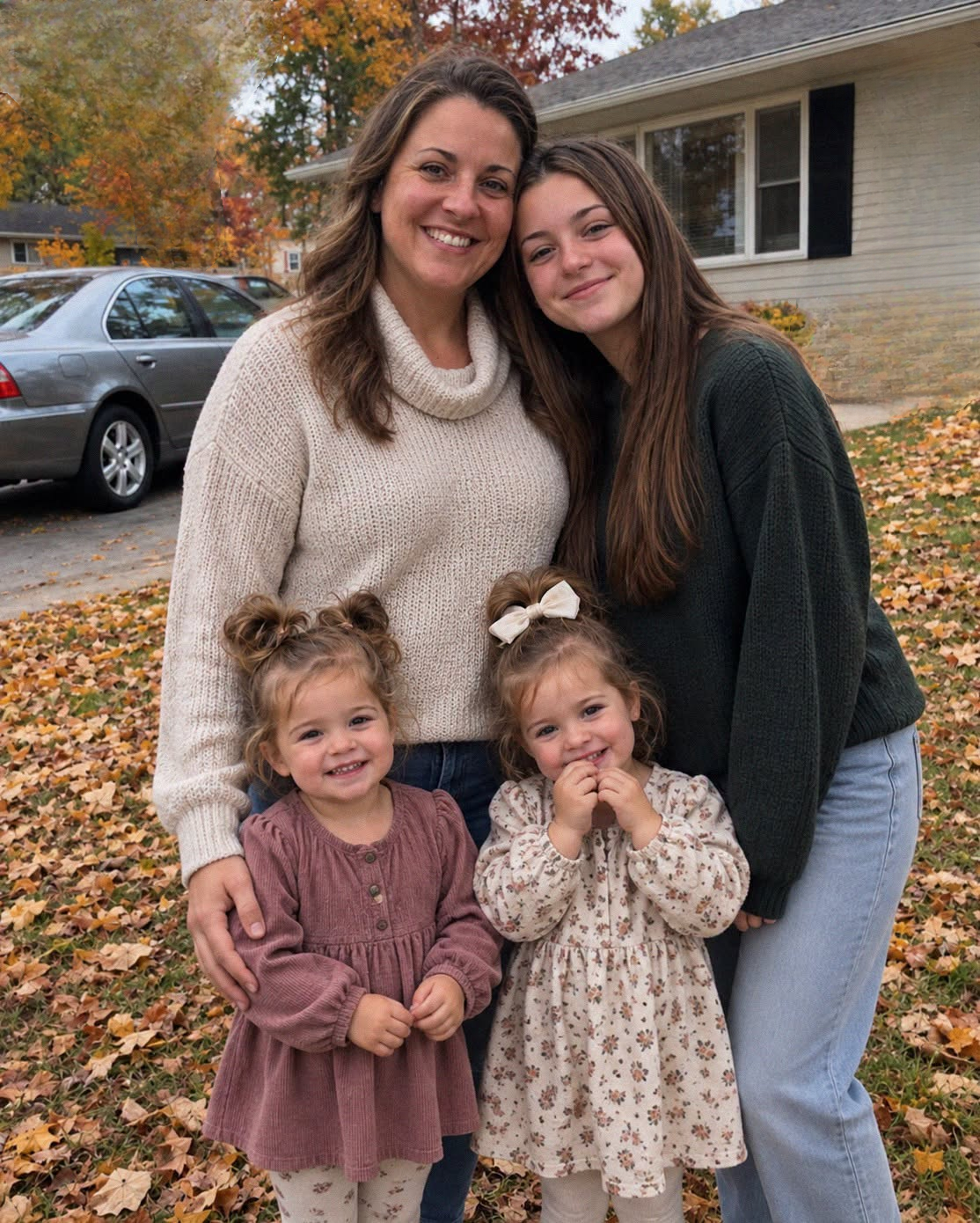
I thought my 15-year-old daughter, Joan, was perfectly capable of watching her two-year-old twin sisters while I worked. But just an hour after I left home, our neighbor called in a panic.
“Emma, come home now and see what your daughter did!”
When I rushed inside, I found my ex-husband, Mark, standing in my living room with a giant stuffed elephant.
He had abandoned us three years earlier after learning that our twins were both girls. He had always dreamed of having a son, and when his wish didn’t come true, he walked away from his wife and three daughters.
Now, suddenly, he wanted to come home.
“I’ve changed,” he claimed. “I want another chance.”
But I wasn’t convinced.
Mark handed me paperwork and offered to support the girls financially—if I agreed to forgive his unpaid child support. He also asked for their birth certificates, claiming he wanted to arrange better medical insurance.
Something didn’t feel right.
After speaking with Mark’s mother, Margaret, I discovered the truth. His father, Richard, had recently died and left his fortune to his three granddaughters—not to Mark.
Richard had spent years demanding a grandson. But after watching his son abandon his daughters, he changed his will and made sure the girls would have a secure future.
Suddenly, Mark’s return made sense.
I invited him to dinner and asked one question:
“Would you still want us back if your father hadn’t died?”
His face went pale.
When I revealed that his father had left the inheritance to the girls, Mark’s reaction exposed everything. He wasn’t interested in rebuilding his family. He wanted access to the money.
I also made it clear that the inheritance was independently administered and that he couldn’t gain control of it by pretending to reconcile with me.
When Margaret joined us, she confronted her son too.
“You had three daughters. He wanted them to have a future.”
Mark left furious, but he couldn’t take what their grandfather had protected for them.
That evening, Joan asked me a question that broke my heart:
“Why wasn’t I enough?”
I hugged her and told her the truth: she had always been enough. Her father had failed her, not the other way around.
I also apologized for making her feel responsible for raising her younger sisters.
With Margaret’s help, Joan returned to dancing and started enjoying being a teenager again.
And one Friday night, as we laughed over a messy family pizza dinner, she looked at me and said:
“Mom, I like our family better this way.”
For the first time in years, I believed we were going to be okay.