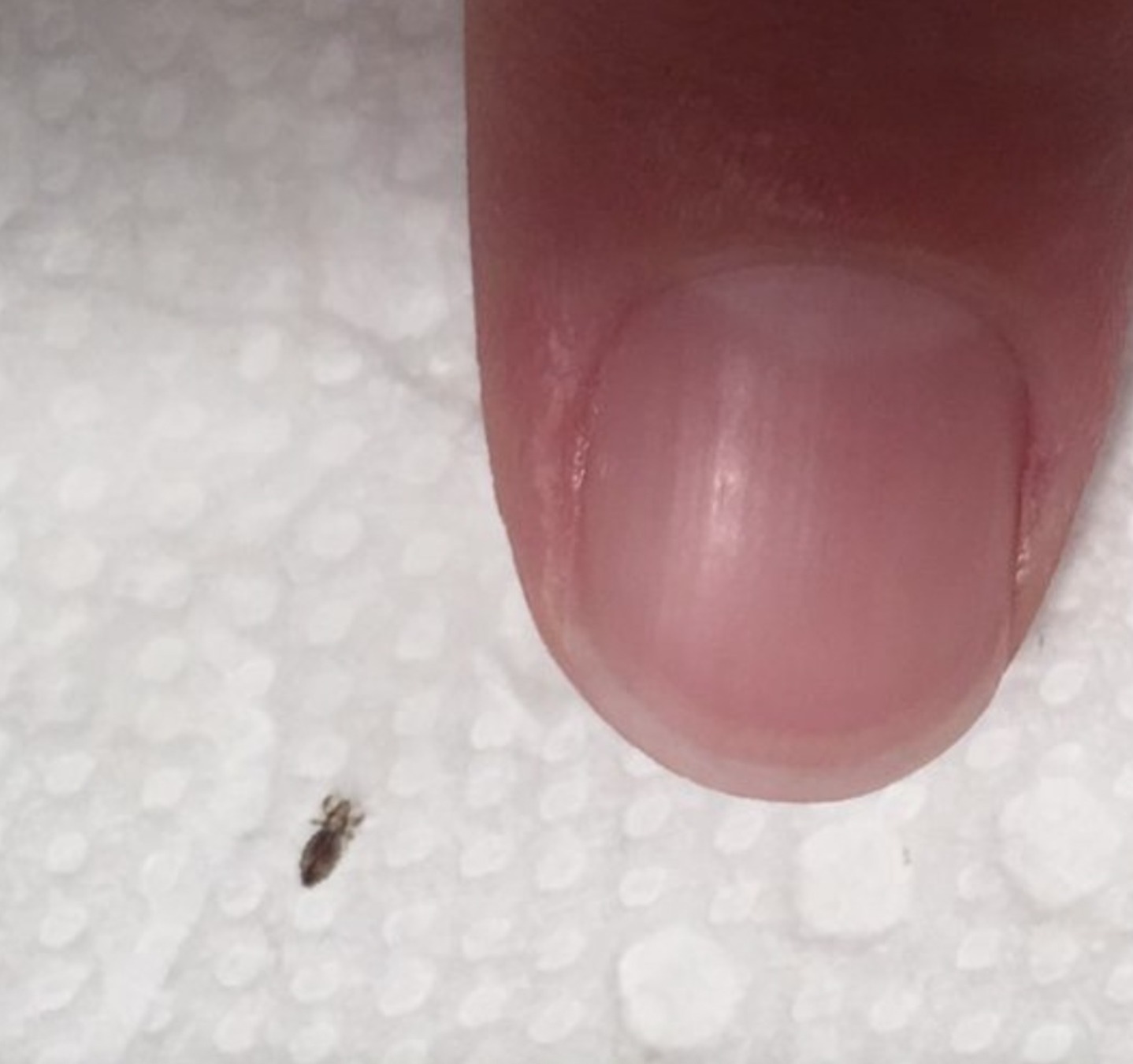
Head Lice: What You Need to Know
Anyone who’s dealt with head lice knows how time-consuming and frustrating it can be. It’s every parent’s nightmare when their child catches lice at school—especially after summer when kids have been in close contact with others.
Lice spread quickly among children. It often starts with a few kids scratching their heads and soon affects whole families. Treatment usually involves lice creams or shampoos, which can be unpleasant, time-consuming, and not always effective.
How Lice Spread
Lice can’t jump or fly—they spread by crawling from hair to hair. While many think lice can spread through hats or brushes, the risk is low. Lice that fall out are usually too weak to survive.
Detecting Lice and Eggs
Itching is a common symptom, usually appearing 4–6 weeks after infection. Lice are 1–3 mm long and vary in color. Use a lice comb to check for them. Eggs (nits) are found near the scalp and are easier to spot. Only start treatment if you find live lice—not just empty eggs.
A Natural, Chemical-Free Treatment
Instead of harsh lice shampoos, try this method from the Healthy Life Center:
-
Soak hair in mouthwash, cover with a shower cap for 1 hour.
-
Rinse, then soak in white vinegar. Cover again for 1 hour.
-
Wash hair with regular shampoo and comb thoroughly.
-
To prevent lice, lightly spray your child’s hair with mouthwash before school.
This method is simple, affordable, and avoids strong chemicals.