Left for Dead on Everest
Imagine being left for dead on the world’s tallest mountain — freezing winds, thin air, every step a fight for life.
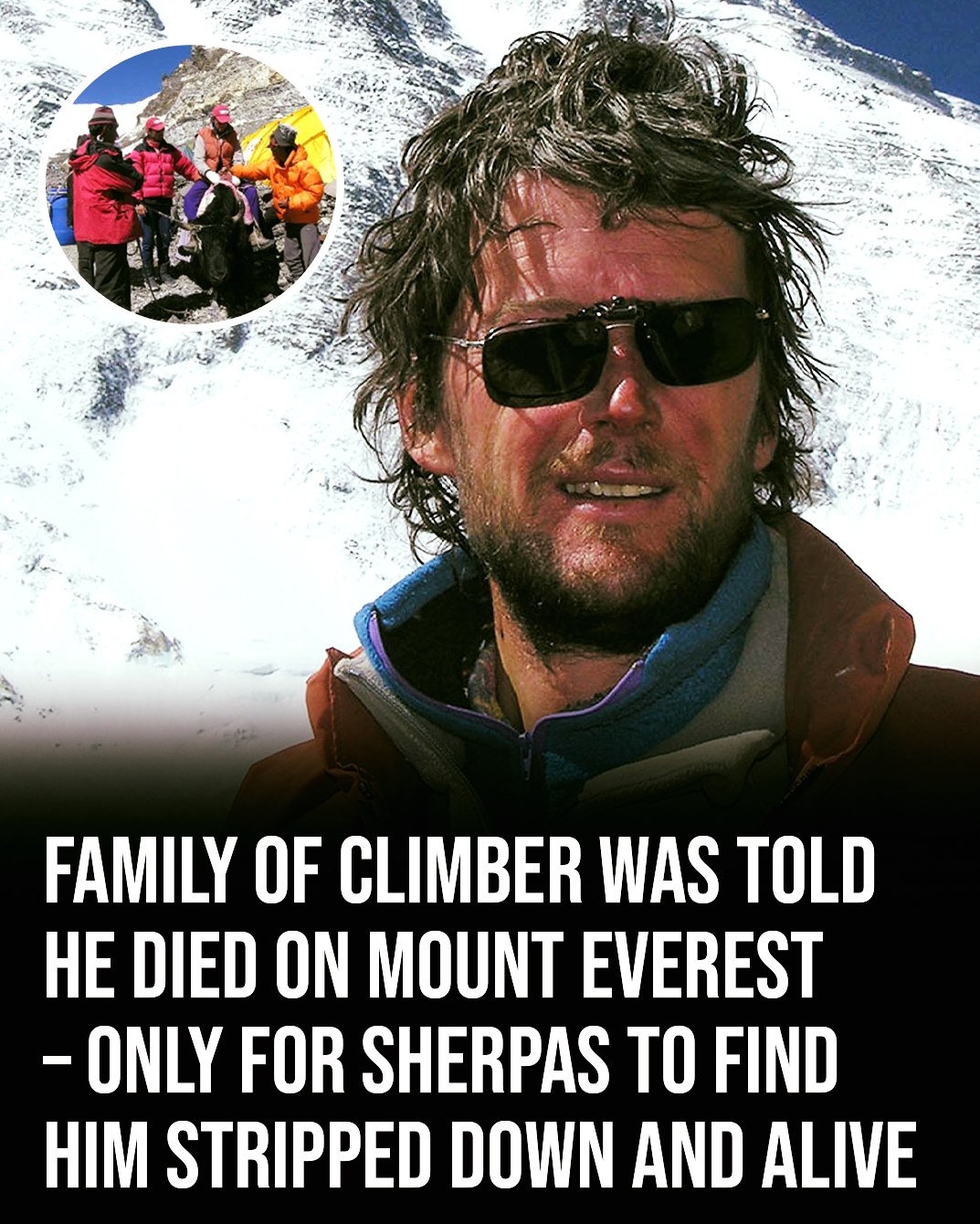
In 2006, Australian climber Lincoln Hall faced exactly that. Near Everest’s summit, at 8,600 meters (28,200 feet), he suffered cerebral edema — brain swelling caused by extreme altitude. His guides tried to save him, but as night fell, they believed he was gone and left him behind.
Back home, his family was told he had died. But on the mountain, Lincoln was still alive — stranded on a narrow ridge above an 8,000-foot drop, wearing only a thin fleece, without oxygen, gloves, or hat.
The next morning, American climber Dan Mazur and his team stumbled upon him — frostbitten, delirious, and somehow sitting upright. Hall greeted them, saying, “I imagine you are surprised to see me here.”
Mazur’s team abandoned their own summit attempt to save him, giving him oxygen, food, and clothing, and staying with him for hours until help arrived. “You can always go back to the summit,” Mazur later said, “but you only have one life to live.”
Against all odds, Lincoln survived frostbite, edema, and a night in the death zone. He later recounted his experience in Dead Lucky: Life After Death on Mount Everest, embracing life with renewed gratitude.
Hall continued climbing and writing until his death in 2012 from mesothelioma, caused by asbestos exposure in his youth. He was 56 and left behind a wife and two sons.