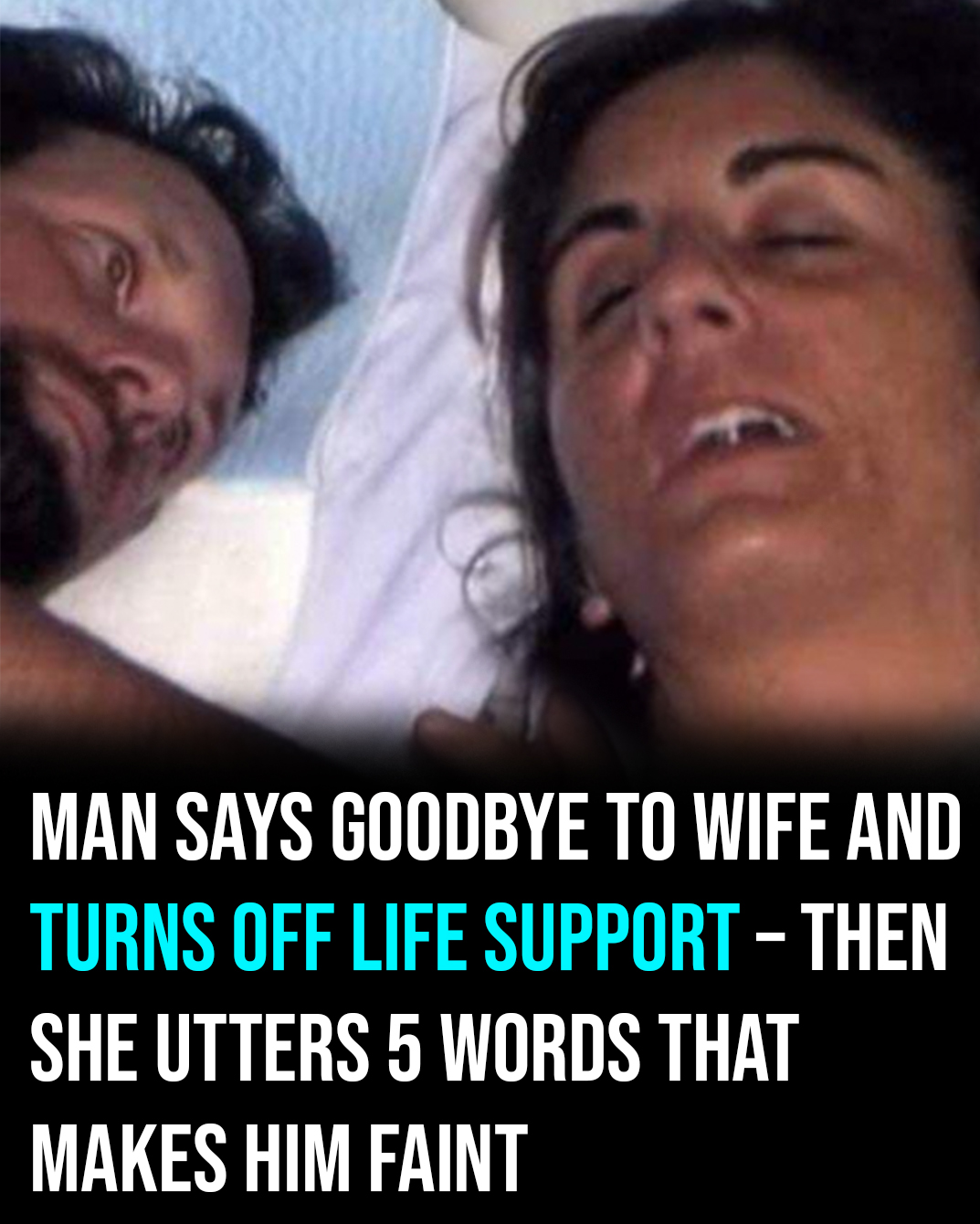
Young newlyweds often imagine decades together, but life can change in an instant. One Saturday in May 2007, Ryan Finley woke up and went to wake his wife, Jill—something he rarely did on weekends. When she didn’t respond, even after he shook her, he panicked and called emergency services while performing CPR.
Paramedics rushed Jill to the hospital, where doctors determined she had gone into cardiac arrest. As Ryan waited anxiously, a doctor told him to pray—an indication of how grave her condition was. Soon after, Jill slipped into a coma.
For two weeks, family and friends visited. One cousin read from the Bible, and Ryan continued reading passages to her every day. After nearly two weeks with no improvement, doctors advised ending life support. Heartbroken, Ryan agreed.
But about five hours after her life support was removed, Jill began to move and mumble. A nurse told Ryan to come in—Jill was talking. Her first words were, “Get me out of here. I want to go home.” She correctly answered all of Ryan’s questions and even asked for her favorite Mexican food.
Jill remembered nothing of the coma, only that she felt she had been “away.” Ryan believed her recovery was a miracle. Though she had to relearn simple skills like brushing her teeth and tying her shoes, the couple embraced their second chance at life.
Ryan still lives with the fear of losing her, saying he often wakes at night just to check she’s okay: “I’ll usually kick her, and if she kicks me back, I know we’re OK.”