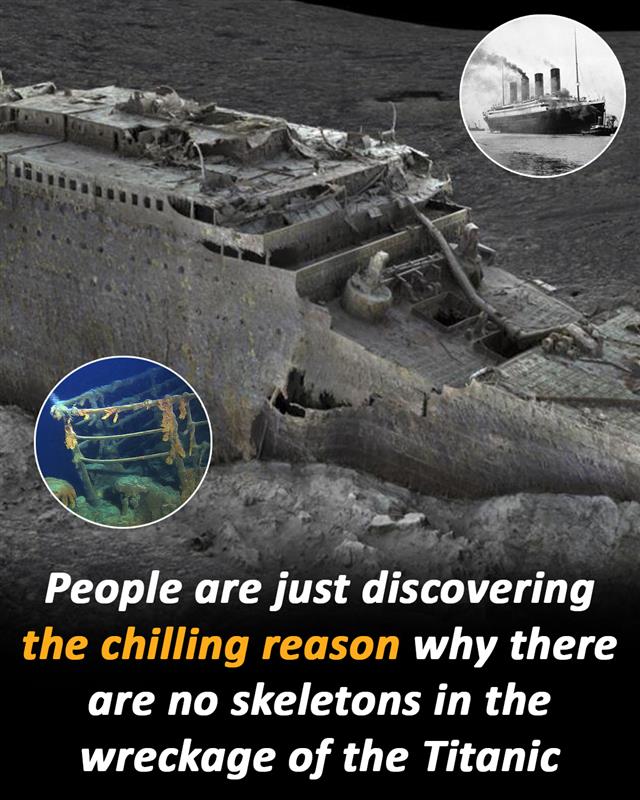
The RMS Titanic’s sinking on April 15, 1912, continues to fascinate the world. On its maiden voyage from Southampton to New York, the “unsinkable” ship struck an iceberg, killing over 1,500 passengers and crew. One lingering mystery remains: why so few bodies were recovered.
Discovery of the wreck
After decades of searching, the Titanic was finally found on September 1, 1985, over 12,000 feet deep in the Atlantic. Explorer Robert Ballard located it by tracking debris, the same method he used to find the submarine Scorpion. Though he vowed to leave the site undisturbed, later expeditions recovered hundreds of artifacts, many in poor condition.
Where did the bodies go?
The ship was discovered split in two with a vast debris field nearby, but almost no human remains. Of the 337 bodies recovered shortly after the sinking, many were buried at sea; none were found at the wreck site. Explorers, including James Cameron, report seeing clothing and shoes but no remains.
The extreme depth explains this. At over 12,000 feet, freezing temperatures, intense pressure, and marine organisms consume soft tissue. Bones don’t survive either—Ballard explains that deep-sea water is undersaturated in calcium carbonate, causing exposed bones to dissolve.
The eerie reality
The absence of bodies adds to the haunting nature of the wreck. Some find comfort in the idea that nature reclaimed the victims.
The Titanic’s slow decay
Since its discovery, the wreck has deteriorated due to bacteria and damage from submersibles. Experts believe it may collapse entirely within 50 years.
A modern tragedy
In 2023, the Titan submersible operated by OceanGate imploded while descending to the site, killing all six aboard, including pilot Stockton Rush and Titanic expert Paul-Henri Nargeolet.
The mystery of the missing bodies underscores both the power of the deep ocean and the enduring sorrow tied to the Titanic.