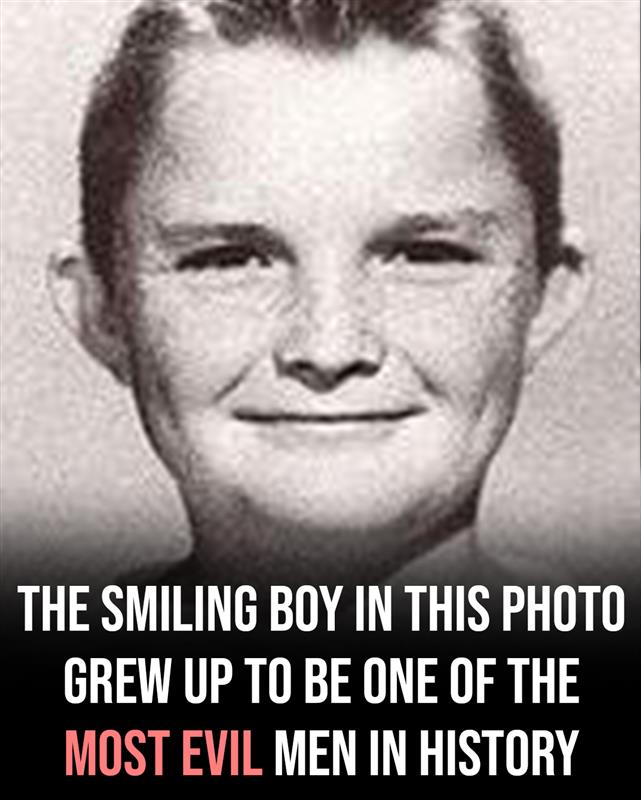
It’s unsettling to remember that even history’s most notorious killers once appeared ordinary. The boy who would become Randy Kraft grew up in a quiet, working-class California family and was described as intelligent, polite, and meticulous. A strong student with a passion for order, he seemed destined for a stable, respectable life.
As a young adult, Kraft excelled academically, became politically active, and later came out as gay, a revelation that cost him his position in the Air Force Reserve. Afterward, his life began to unravel. He drifted between jobs, developed substance abuse problems, and immersed himself in Southern California’s nightlife, hiding a darker side beneath his calm, professional exterior.
In 1970, Kraft was linked to the drugging and assault of a teenage runaway but avoided conviction on a technicality. Over the next decade, young men—often hitchhikers or Marines—began disappearing across California. Their bodies were later found along highways, showing signs of drugging, restraint, and torture. Investigators eventually realized they were hunting a single predator.
Kraft was finally caught in 1983 after police stopped his car and discovered the body of a murdered Marine inside. A notebook found in his possession contained cryptic entries believed to represent victims, earning him the nickname “The Scorecard Killer.” Evidence linked him to a long trail of murders across multiple states.
In 1989, Kraft was convicted of sixteen murders and sentenced to death. He showed no emotion, denied all responsibility, and has never confessed. Investigators believe he may have killed dozens more. As of 2025, Randy Kraft remains on death row in California, silent and unrepentant—an enduring symbol of how ordinary appearances can hide extraordinary evil.