For most people, food is about nourishment and enjoyment—but for millions, certain everyday foods can be deadly if prepared incorrectly. Around the world, people continue eating risky foods out of tradition, necessity, or flavor, despite real dangers.
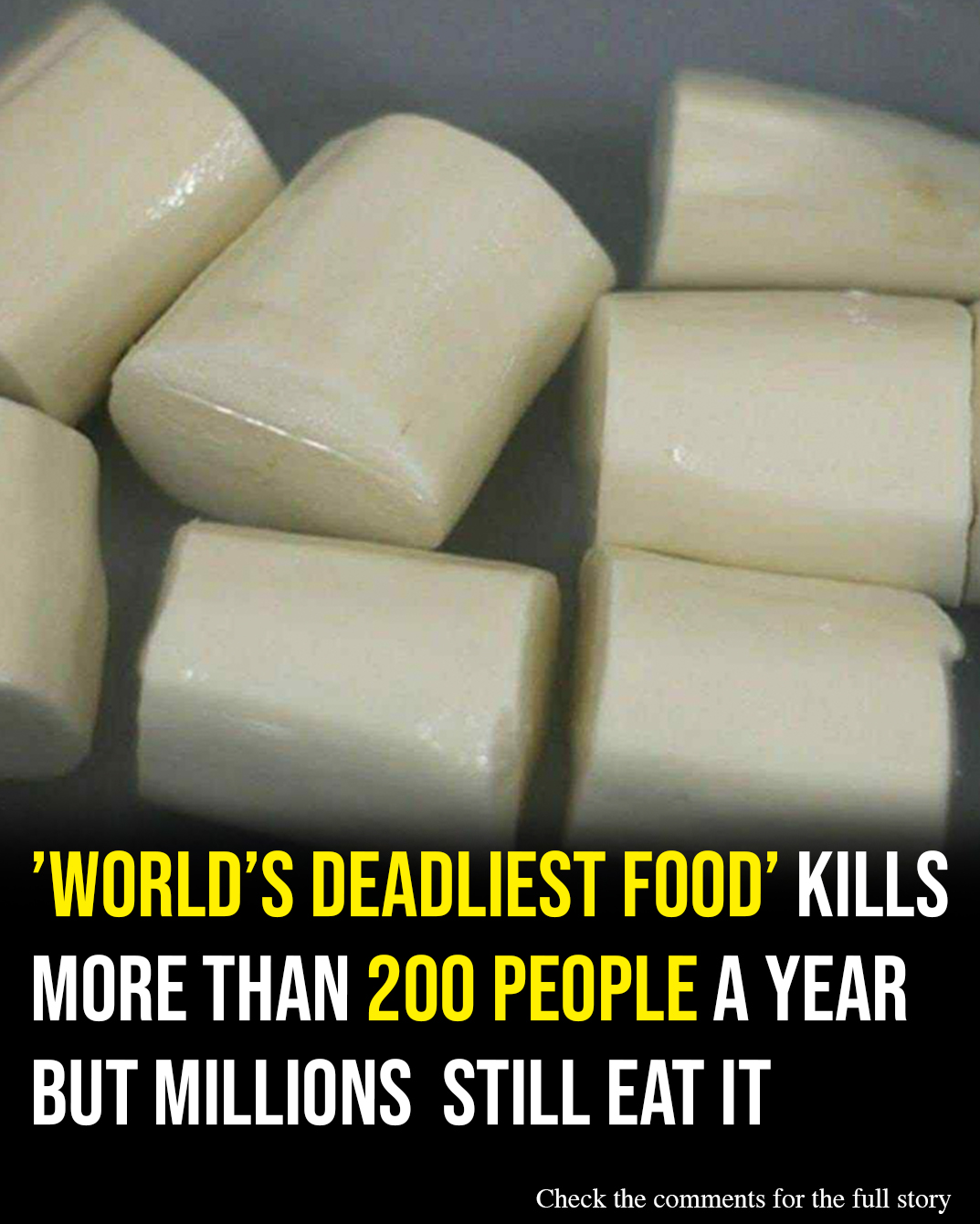
Cassava, often called the world’s deadliest food, contains compounds that turn into cyanide when eaten raw, killing an estimated 200 people each year. Yet it remains a staple for over 800 million people because it’s cheap, drought-resistant, and safe when properly processed. In Japan, fugu (pufferfish) contains a toxin far deadlier than cyanide, but trained chefs carefully prepare it, making it a prized delicacy.
Other foods pose hidden risks. Starfruit can be fatal to people with kidney disease, while cherry pits and apple seeds release cyanide when crushed. Green potatoes may contain toxic solanine, and raw cashews naturally carry poison ivy–like toxins before heat treatment. Nutmeg, harmless in small amounts, can cause hallucinations and seizures in excess.
Wild mushrooms can lead to fatal organ failure if misidentified, rhubarb leaves contain toxins that damage kidneys, and undercooked kidney beans can cause severe food poisoning. Though dangerous, these foods are still eaten because proper preparation makes them safe—or because for many, they are essential for survival rather than a choice.