My parents insisted they were “handling everything” after Grandma’s death and told me not to get involved. That alone felt wrong. When I finally confronted them about the estate, they claimed there was no will and that all seven cottages now belonged to them. They refused to show paperwork and even suggested I should be grateful they weren’t charging me for the funeral. I left knowing something wasn’t right—Grandma was meticulous and would never leave things unfinished.
A week later, one of Grandma’s tenants handed me a note she’d left behind: If anything happens to me, look in the safe. I discovered a safe deposit box containing detailed property records and an unsigned copy of a will naming me executor and stating her wish to keep the cottages affordable for veterans and families. Though unsigned, it proved her intent.
I began investigating. Tenants and friends confirmed Grandma didn’t trust my parents with the properties. A pastor later gave me a sealed envelope containing a notarized letter—and a copy of a notary log entry showing Grandma had signed her final will shortly before she died. A retired notary confirmed it in person and provided sworn proof. The will had existed and gone missing after her death.
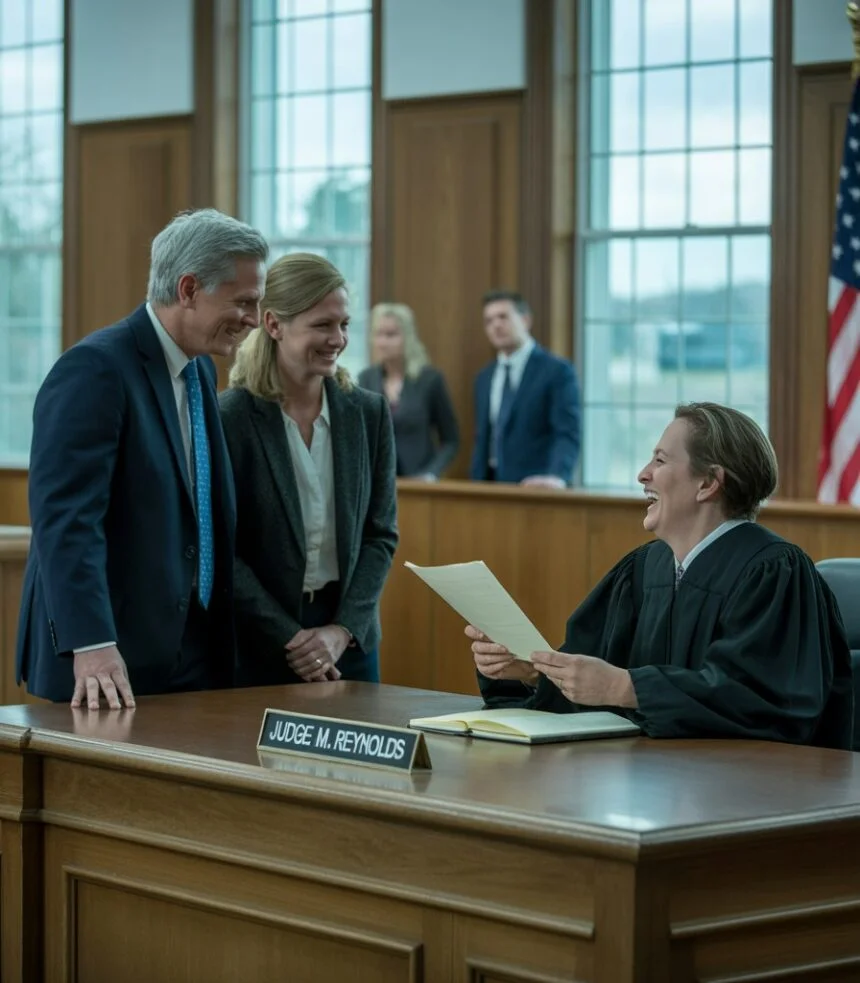
When I learned my parents were preparing to sell the cottages, my lawyer moved fast. At the court hearing, the judge reviewed the notary records, affidavits, and financial ledgers. He ruled that the will had been signed and its disappearance raised serious legal concerns. All sales were halted, and I was granted temporary management authority.
During mediation, my parents finally admitted they were desperate for money and had seen the cottages as their solution. I chose not to cut them off. Instead, I took full legal control of the properties, kept them affordable as Grandma intended, and arranged a small stipend for my parents.
The cottages were saved. My family wasn’t perfect—but the truth came out, the legacy was protected, and I honored Grandma’s wishes.