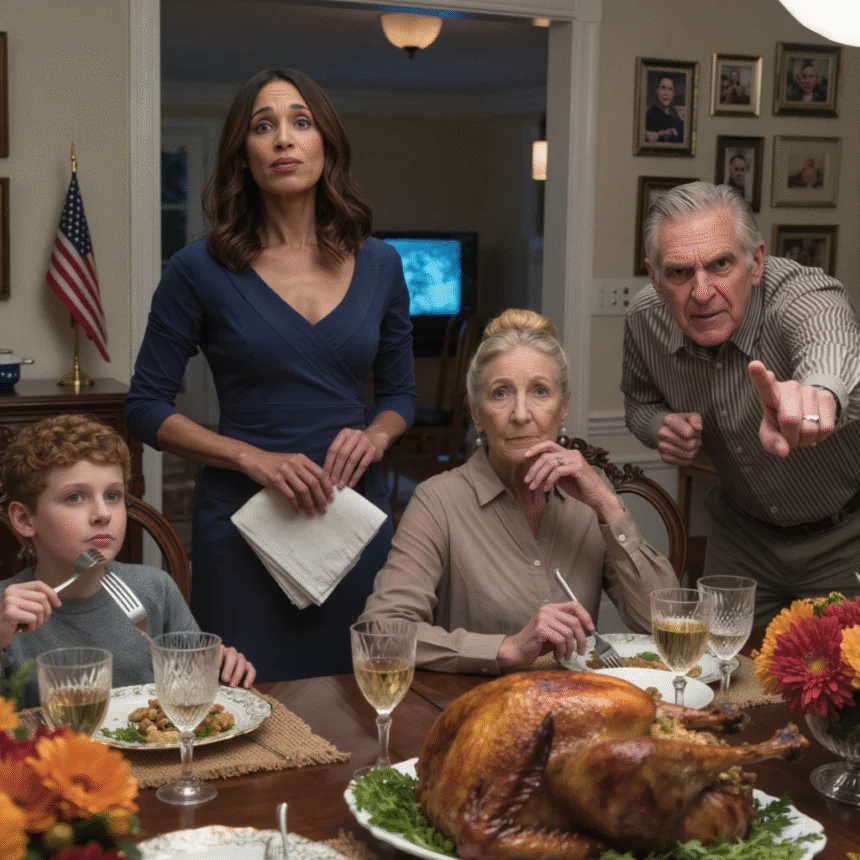
That word—lowlife—hit harder than every rejection, every sleepless night, every investor’s laugh. It dismissed seven years of grinding, a $22 million company, 150 employees, national awards.
It wasn’t just about that night. It had been building for decades.
My parents—disciplined, orderly—believed in diplomas and pensions, not dreams. While other kids watched TV, I was sketching logos and selling friendship bracelets at ten. By high school, I ran an Etsy shop, teaching myself SEO while friends talked about prom. They clapped politely when I got into college but pushed me toward “real” jobs.
I chose business to keep the peace but ran my own venture from my dorm. A part-time job at a boutique sparked the idea for Fitlook—a site where women could see clothes on real bodies, not airbrushed models. When I told my parents I was dropping out to build it, they called me reckless.
I moved into a moldy basement, lived on ramen, and poured everything into Fitlook. The first order—$43—made me cry. It was proof that my work mattered.
Slowly, it grew. I hired a team, moved to a real office, won awards. But my parents never changed. They cashed my checks for their bills, their roof, my brother’s tuition, yet introduced me as the dropout. At holiday dinners, my successes were “luck.”
Then, on a Thanksgiving I’d paid for, surrounded by everything I provided, I heard my father tell my uncle, “She got lucky. No degree. No real accomplishments.”
I confronted him, shared that Fitlook had just won a major award and received a $22 million acquisition offer. His response: “Anyone can get lucky. You’re still uneducated.”
I listed everything I’d done for them—paid the mortgage, covered medical bills, tuition. He called it handouts. Then he told me to get out. “Lowlife.”
I walked out of the house I’d paid for, drove until I couldn’t, and checked into a motel. That night, I accepted the acquisition offer and decided to move to Florida.
Therapy helped me unravel years of seeking approval. I realized: no amount of success would make them see me. I started Untraditional Founders to mentor young entrepreneurs like my younger self.
Months later, my mother showed up at my Florida door, asking for money. I said no—not without real change, not without an apology. She left.
Later, she sent a letter: “I’m sorry.” We met for coffee. She told me my father had left her, and she was finally finding her voice. She’d been painting in secret and invited me to her gallery show. Her art told a story of silence, resilience, and rediscovery—including paintings of me.
I saw her—really saw her—for the first time.
I kept building my new life: speaking on stages about choosing peace over approval, hosting dinners with chosen family, walking beaches under starlit skies.
Healing didn’t come from their apology—it came from me. I learned that family isn’t just blood; it’s respect. And sometimes, the bravest thing you can do is walk away and build a life that’s truly your own.