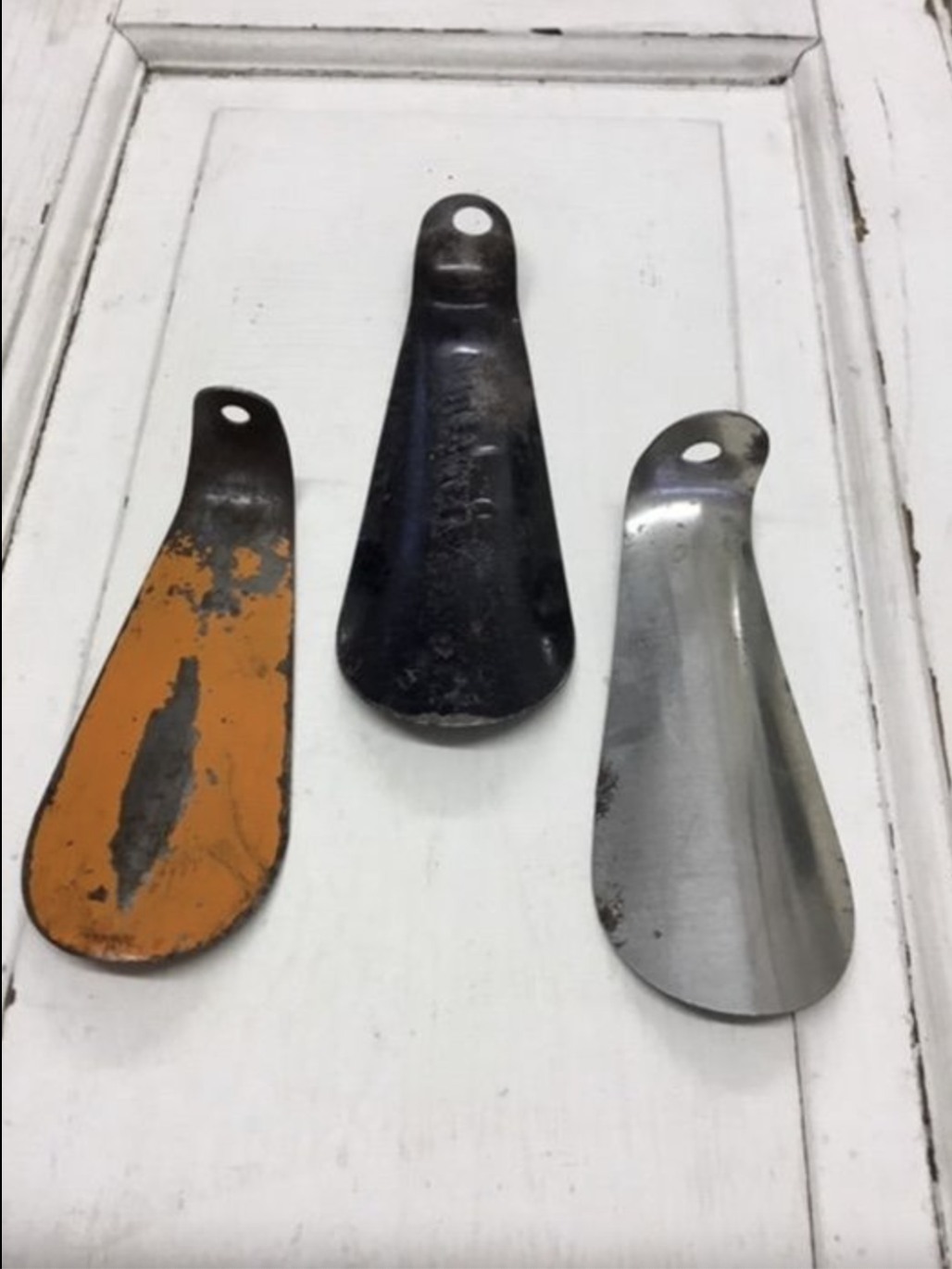
The internet was recently puzzled by an unusual object that many people couldn’t identify. It turned out to be a shoe horn—a simple tool that has helped people put on shoes for centuries.
Shoe horns date back to the 15th century, when they were made from materials like animal horn, bone, or wood. Their purpose was simple: to help slide the foot into a shoe without damaging the heel. Over time, materials evolved. During the Industrial Revolution, metals like brass and steel were used, and later plastic made shoe horns cheaper and more widely available. Some versions were even crafted from silver and decorated with detailed designs, turning them into decorative items for the upper class.
The main function of a shoe horn is to prevent bending or crushing the back of a shoe while putting it on. By guiding the heel smoothly inside, it helps shoes keep their shape and last longer—especially those with stiff openings.
Shoe horns also come in different styles. Short versions are easy to carry while traveling, while long-handled ones allow people to put on shoes without bending down, making them especially useful for those with limited mobility.
Today, shoe horns are still widely used. Many people rely on them daily, while collectors value antique versions for their craftsmanship and historical charm.