Her words—“This is your fault”—hit harder than the cold that night. They stayed with me, turning what felt like a simple act of kindness into doubt, shame, and one painful question: had I tried to help… but made things worse?
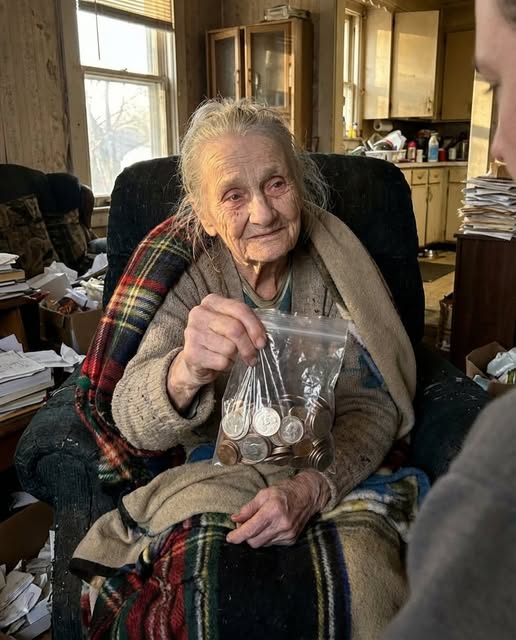
It started as a routine pizza delivery. Inside her home, I saw struggle—dim light, trembling hands counting coins, a heavy silence. I chose not to take her money and called for help, believing it was the right thing to do.
But outside, with neighbors watching and her accusation echoing in my head, everything felt uncertain. Had I crossed a line? Helped—or taken away her dignity?
For days, I questioned myself.
A week later, I returned, expecting anger. Instead, I found something different. Her home was warm, stocked, full of people helping. And when she looked at me, there was no resentment—only a quiet “thank you.”
That moment changed everything.
I realized doing the right thing doesn’t always feel right at first. Sometimes it’s uncomfortable, misunderstood, even painful. But care isn’t always gentle—it can be messy, complicated, and questioned.
And sometimes, understanding only comes later.