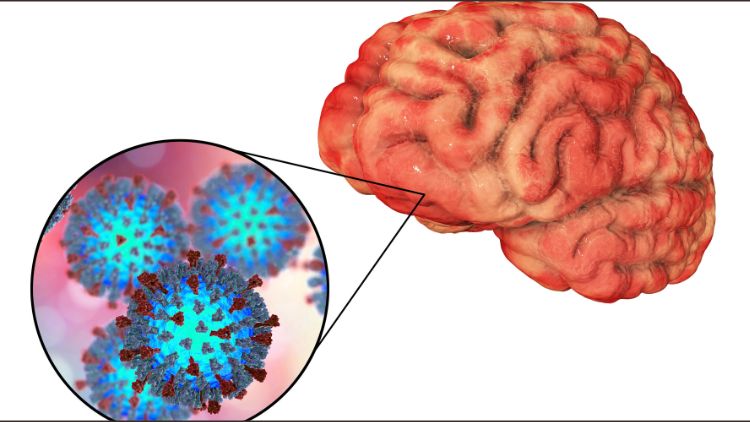
Many people believe that once a childhood illness like measles passes, the danger is over—but that isn’t always true.
A baby boy contracted measles at 7 months old. Years later, at age 6, he began having seizures and brain decline. He was diagnosed with subacute sclerosing panencephalitis (SSPE), a rare but deadly brain disorder linked to measles, and died at age 7.
SSPE can appear years after infection and slowly destroys the brain. Early signs include mood changes, depression, and headaches, followed by seizures, muscle spasms, vision loss, and eventually coma and death as the brain loses control of vital functions like breathing and heart rate.
Doctors explain that the measles virus can remain dormant in the brain and later cause severe damage. While rare, SSPE affects a small number of people who had measles, and it has no cure—only treatments that may slow progression.
Most importantly, measles itself is preventable with the MMR vaccine, which is the best protection against developing SSPE.