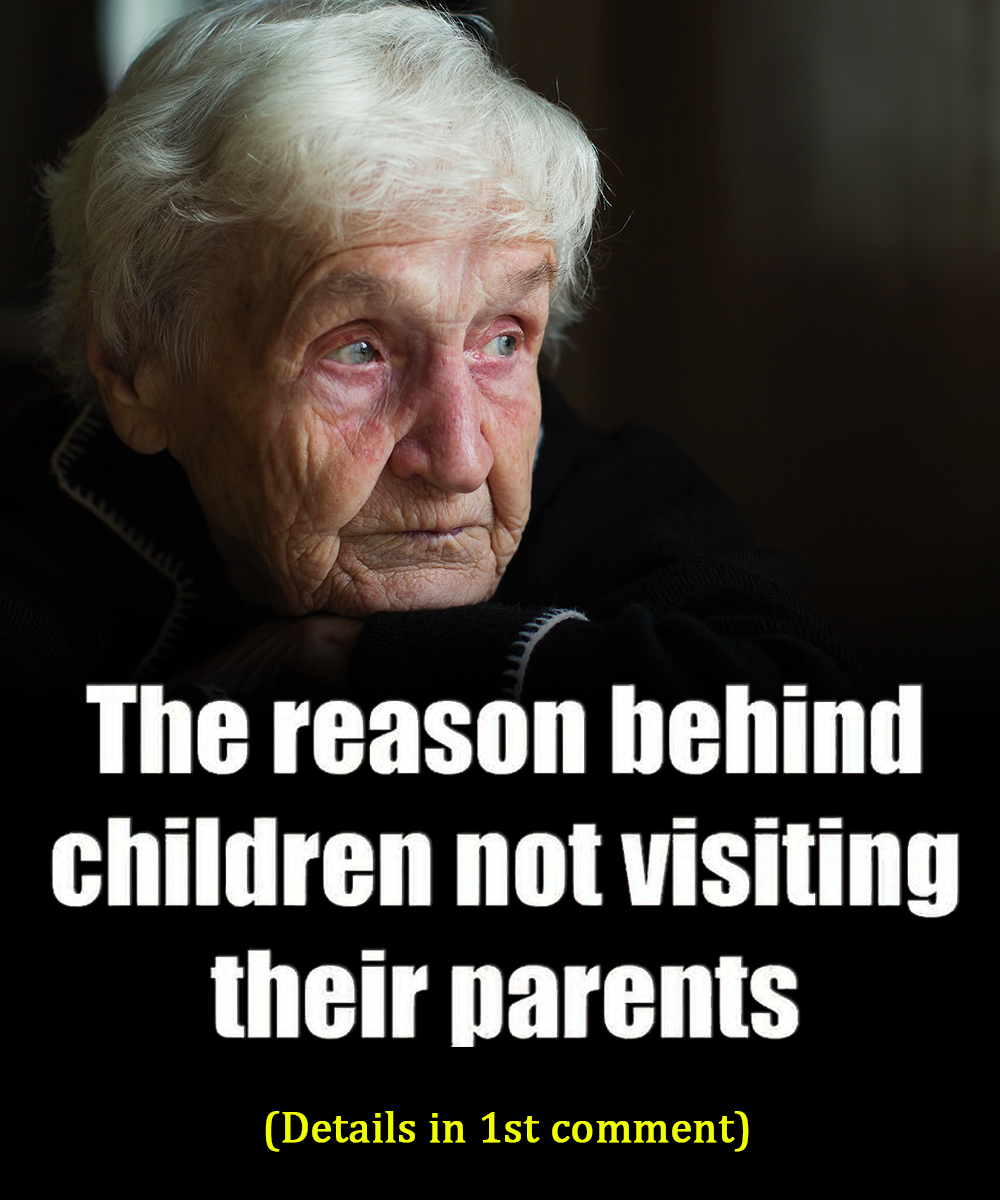
Family is meant to be forever — the people who know us best, love us most, and anchor us through life’s storms.
Yet for many parents, there’s a quiet ache: the phone that doesn’t ring, visits that grow shorter, and grandchildren who feel like strangers.
The distance rarely happens overnight. It grows slowly — a missed call, a shorter visit — until the space between parent and child feels impossible to bridge.
For parents, it’s heartbreaking. For children, it’s often self-preservation. The pulling away isn’t about malice but about years of misunderstandings and emotional fatigue. Love remains — just too heavy to carry the same way.
1. When care feels like criticism
What begins as concern (“Are you eating enough?”) can sound like judgment (“You’ve gained weight”). Love feels like disapproval, and over time, children stop showing up — not from lack of love, but from exhaustion.
2. Boundaries aren’t rejection
When children set limits — “Please don’t bring that up” — they’re protecting their peace. Ignoring those boundaries says, my comfort matters more than yours. Respecting them is the first step toward rebuilding trust.
3. Reliving the past
Revisiting old wounds keeps everyone stuck. When every visit replays the same arguments, distance becomes the only escape from emotional exhaustion.
4. The missing apology
Healing starts with acknowledgment. “I did my best” isn’t the same as “I’m sorry.” Adult children don’t need perfection — they need recognition of past pain.
5. When their partner isn’t accepted
Rejecting a child’s partner is rejecting part of their life. Subtle jabs or cold silences push them away, until visits stop altogether.
6. Correcting their parenting
Undermining your adult child in front of their kids damages trust. When they stop visiting, it’s not punishment — it’s protection of their own family dynamic.
7. Generosity with strings
Gifts and help should come from love, not control. When generosity turns into leverage (“After all I’ve done for you…”), gratitude turns to guilt.
8. Loving who they were, not who they are
Holding on to the past child blinds parents to the adult they’ve become. Feeling unseen by one’s own parents creates a loneliness that drives distance.
A love that hurts on both sides
Parents aren’t villains, and children aren’t ungrateful — both are hurting. For parents, it feels like rejection; for children, survival.
Reconnection begins not with guilt, but with curiosity. Ask who they are now. Listen to understand. And say, “I’m sorry,” even when it’s hard.