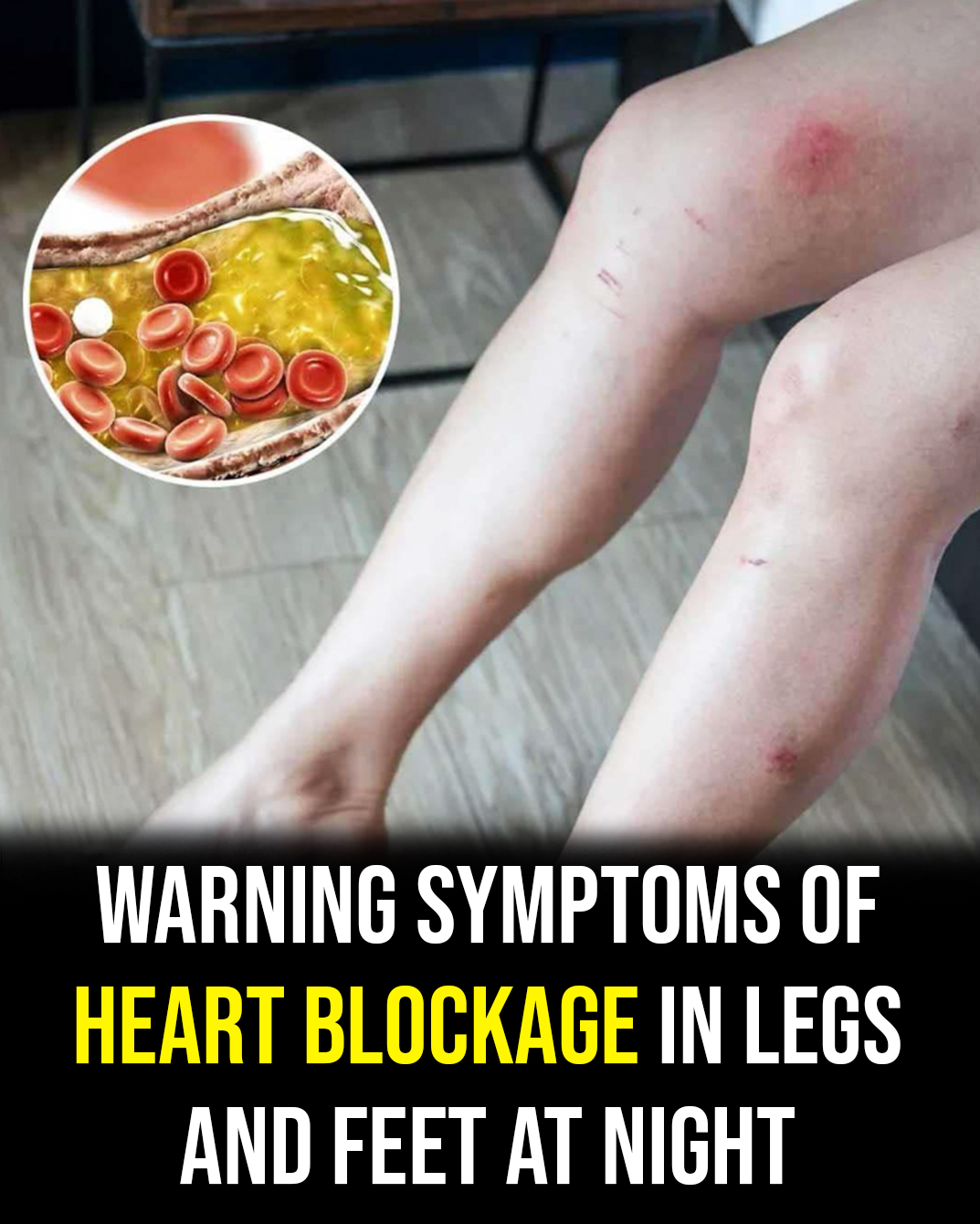
What Your Feet Say About Your Heart
When you think about heart problems or clogged arteries, symptoms like chest pain or high blood pressure come to mind. But your feet can also reveal early warning signs of cardiovascular disease.
Often overlooked, your feet can signal conditions like Peripheral Artery Disease (PAD) and Coronary Artery Disease (CAD) — both caused by plaque buildup that restricts blood flow.
Peripheral Artery Disease (PAD)
PAD occurs when narrowed arteries reduce blood flow to the legs and feet. Plaque buildup makes arteries stiff and limits circulation.
Foot warning signs (WebMD):
-
Cold feet: Persistent chill, even in warm weather
-
Slow-healing wounds: Cuts or blisters heal poorly
-
Pain while walking: Cramping that eases with rest
-
Discoloration: Pale, blue, or purplish skin
Ignoring PAD can lead to infection, gangrene, or amputation — and it often signals similar blockages in heart or brain arteries.
Coronary Artery Disease (CAD)
CAD affects the arteries supplying blood to the heart, raising the risk of heart attacks.
Foot warning signs:
-
Swelling: Fluid buildup in feet and ankles
-
Tingling or numbness: Reduced circulation
-
Skin changes: Shiny, tight skin
-
Pain at rest: Especially at night
-
Brittle toenails: From poor blood flow
The American Heart Association (AHA) notes that PAD and CAD often occur together — and prevention should start early through healthy habits.
Protect Your Heart and Feet
-
Exercise: Aim for 30 minutes of moderate activity daily
-
Eat smart: Choose fruits, veggies, whole grains, lean proteins
-
Quit smoking: It worsens circulation
-
Manage stress: Try meditation or deep breathing
-
Control diabetes: Keep blood sugar in check
-
Get check-ups: Especially if you have risk factors like high blood pressure or family history